
English 


Views: 0 Author: Site Editor Publish Time: 2026-11-06 Origin: Site


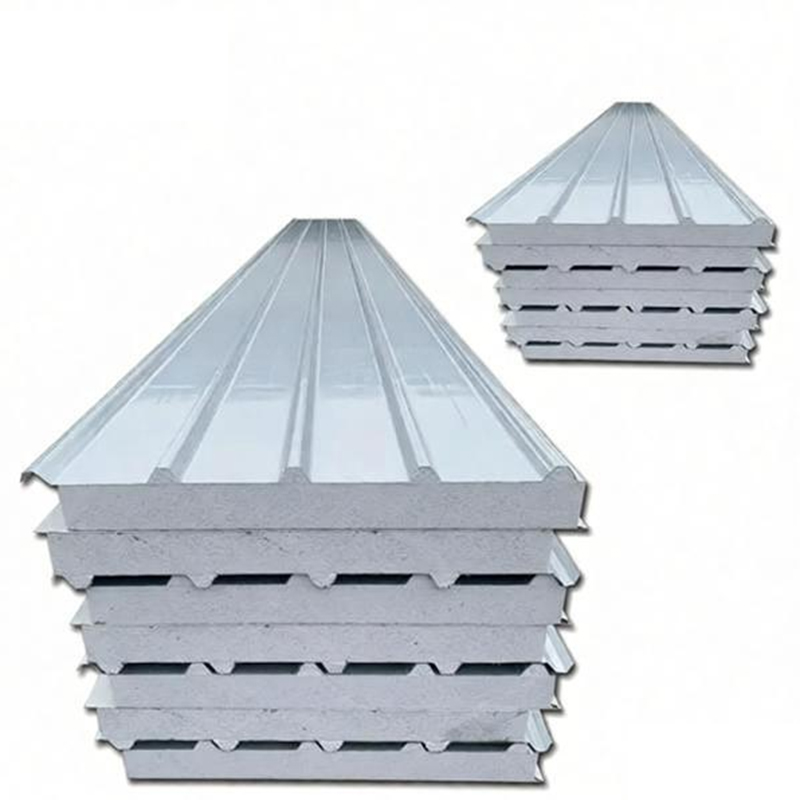
Choosing a cold storage panel supplier is about more than comparing product prices. Your decision affects construction schedules, temperature stability, energy consumption, and long-term maintenance. Before placing an order, you need to know whether you are dealing with a real manufacturer, a trading company, or an integrated cold storage solution provider.
Verify the factory: Check production facilities, business registration, manufacturing processes, and actual shipment records before making a purchasing decision.
Look beyond panel prices: Customization, quality control, technical communication, and after-sales support can affect the total project outcome.
Compare project responsibilities: A supplier offering panels, cold room doors, refrigeration equipment, and installation under one coordinated scope can reduce communication and coordination risks.
Consider long-term energy use: Insulation performance, intelligent energy monitoring, and suitable solar and energy storage solutions all influence operating costs.
A cold storage project involves several connected systems. Insulated panels form the building envelope, doors control access and air leakage, and refrigeration equipment maintains the required temperature.
If these components come from different suppliers, someone must coordinate their specifications, delivery schedules, installation details, and technical responsibilities.
This arrangement can work well when an experienced project manager controls the process. However, it creates additional risks when responsibilities are unclear.
Here are five hidden costs buyers should consider.
Trading companies usually depend on external factories for production. This does not automatically create a problem, but it can make production scheduling less transparent.
When several orders compete for the same manufacturing capacity, your project may not receive the expected production priority.
A delay in panel delivery can also affect door installation, refrigeration equipment setup, and final commissioning.
A genuine manufacturer can provide more direct information about production progress, material availability, inspection schedules, and shipment arrangements.
Ask for a realistic production schedule rather than accepting an estimated delivery date without supporting details.
Cold storage projects rarely share identical requirements.
A seafood freezer, pharmaceutical storage facility, and fresh produce warehouse may require different insulation specifications, surface materials, panel dimensions, joint structures, and door configurations.
A trading company may need to send every customization request to its manufacturing partner. This adds communication steps and may limit the available options.
A factory with direct production control can usually communicate more efficiently about technical feasibility.
For example, ask whether the supplier can accommodate custom panel thickness, core materials, steel sheet finishes, dimensions, and connection systems.
Also confirm whether the proposed specifications can be maintained throughout mass production.
Technical problems often occur where different components meet.
Panel joints, door frames, refrigeration pipes, electrical connections, and control systems must work together.
If the panel supplier and refrigeration contractor operate independently, responsibility for these interfaces may become unclear.
A small design change can require several rounds of communication before everyone agrees on the solution.
Working with a supplier that understands the complete cold room structure can simplify technical coordination and reduce unnecessary revisions.
When a product develops a problem, buyers need to know who will investigate it and provide a solution.
A trading company may need to contact the original manufacturer before confirming the cause of a quality issue. If several factories supply different components, warranty responsibilities can become complicated.
Before ordering, clarify who handles product inspections, installation guidance, warranty claims, and replacement arrangements.
A reliable manufacturer should provide identifiable quality documents and explain its procedures for handling product issues.
A trading company may purchase products from several factories before selling them as one package.
This can introduce additional management costs and commercial margins.
However, direct factory purchasing is not automatically cheaper in every situation. Export documentation, logistics coordination, engineering support, and project management also have real costs.
The better approach is to compare quotations based on the same specifications and responsibilities.
A lower panel price does not necessarily mean a lower project cost.
The terms manufacturer, supplier, and trading company are sometimes used interchangeably in international procurement.
However, their actual responsibilities can be quite different.
Evaluation Area | Direct Manufacturer | Trading Company |
|---|---|---|
Production | Controls its own manufacturing processes | Usually purchases from external factories |
Customization | Communicates directly with production teams | Depends on partner factory capabilities |
Technical Support | Can coordinate directly with production engineers | May require communication through suppliers |
Quality Control | Can supervise production and factory inspections | Depends on inspection arrangements |
Delivery | Can provide direct production updates | Relies on factory schedules and coordination |
Product Range | Usually focuses on specific manufacturing categories | Can source products from multiple industries |
Project Responsibility | Depends on its actual engineering and installation scope | Depends on contracted partners and agreements |
It is important to understand that not every trading company is unreliable.
Some trading companies have established supplier networks, strong export experience, and professional project management capabilities. They may be suitable for buyers sourcing several unrelated products.
The real question is whether the company can demonstrate control over the products and services included in your contract.
For a customized cold storage project, direct access to manufacturing and technical teams can be particularly valuable.
A professional company should be able to provide evidence of its manufacturing capabilities. Do not rely solely on website descriptions or promotional presentations.
Use the following checks before selecting a supplier.
Start by requesting the company's registered business information and actual factory address.
Compare the legal entity on the business license with the company issuing your quotation, contract, and commercial invoice.
If the sales office and manufacturing facility are located at different addresses, ask for a clear explanation of their relationship.
You should also confirm whether the company manufactures the products directly or works with long-term production partners.
This simple check helps establish who is actually responsible for fulfilling your order.
A factory video is useful, but a live video call provides stronger evidence.
Ask the supplier to show its production areas, machinery, raw material storage, assembly processes, and finished product inspection areas.
For cold storage panels, pay attention to the equipment and processes used for metal sheet preparation, insulation core production, panel forming, cutting, and joint processing.
You can also ask to see a current production order, provided confidential customer information is protected.
A genuine manufacturer should be able to explain how raw materials move through production and how finished panels are inspected before shipment.
Patents can provide additional evidence of a company's investment in product development.
However, a patent certificate alone does not prove that a product performs better than competing products.
Ask for the patent documentation, confirm the patent holder, and understand which product or hardware component it covers.
For cold storage projects, pay attention to the connection hardware and panel joint systems.
These components influence assembly accuracy, installation convenience, and the consistency of panel connections.
GREEN BIO uses its own patented hardware accessories as part of its cold storage solution approach. Buyers can request the relevant documentation and technical details to understand how these components are applied.
A manufacturer should explain which specifications can be adjusted and which requirements depend on production feasibility.
For example, ask about insulation core options, panel thickness, steel sheet materials, surface finishes, dimensions, fire performance requirements, and connection methods.
Do not stop at receiving a customized quotation.
Request product samples, technical data sheets, relevant test reports, and inspection procedures.
For larger projects, clarify whether pre-shipment inspections can be arranged and whether the final products will be checked against approved drawings and specifications.
A supplier's project experience should be supported by actual evidence.
Request photographs of completed cold storage facilities, installation details, and references from comparable projects.
You can also ask for redacted shipping documents or other evidence of previous international deliveries.
Pay attention to whether the supplier has handled projects with similar temperature requirements, dimensions, applications, and installation conditions.
A company experienced in supplying small cold rooms may not automatically have the resources needed for a large industrial cold chain facility.
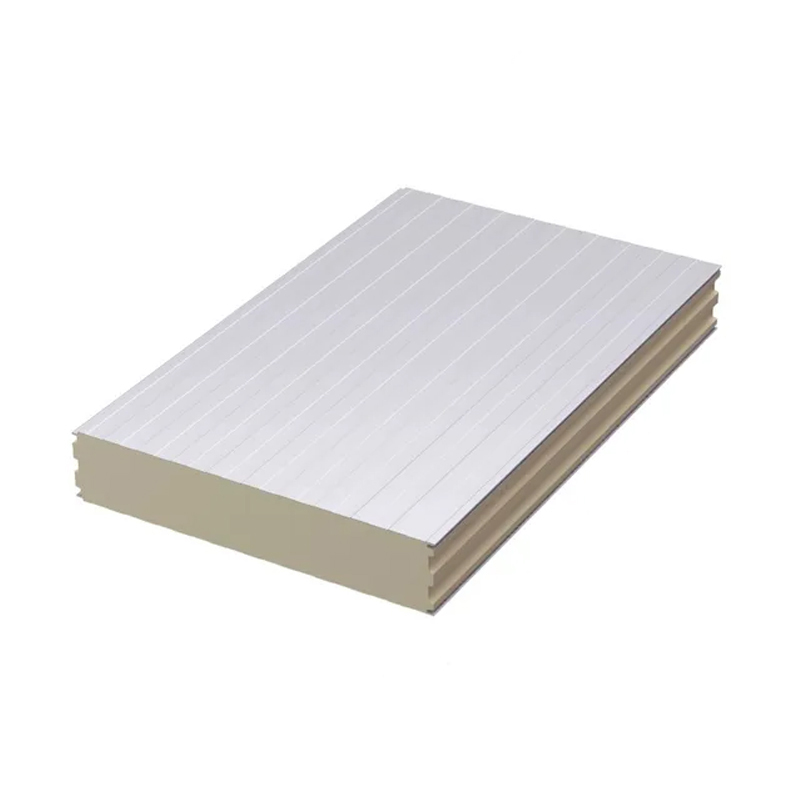
Selecting a manufacturer is only the first step. You should also consider how the entire cold storage project will be delivered.
A complete cold room involves several components that must operate together.
Cold storage panels: The insulated enclosure helps control heat transfer and maintain stable indoor temperatures.
Cold room doors: Door insulation, sealing, opening frequency, and traffic requirements influence temperature stability and cold air loss.
Refrigeration equipment: Compressor capacity, evaporator selection, refrigerant, and control settings must match the actual cooling load.
Hardware and accessories: Connection components, sealing materials, and installation details affect the integrity of the completed structure.
Installation and commissioning: Proper assembly, equipment connections, system testing, and operating adjustments are necessary before the facility enters service.
When these items are purchased separately, the buyer must coordinate multiple suppliers.
A one-stop provider can simplify this process by coordinating design, production, delivery, and installation under a clearly defined project scope.
For example, GREEN BIO provides cold storage panels and cold room doors, supported by project consultation, drawing review, production management, quality inspection, and technical assistance.
Its broader cold storage solution covers the design, production, and installation of panels, doors, and refrigeration equipment.
This approach helps reduce unnecessary communication between separate suppliers and makes project responsibilities easier to define.
However, buyers should still request a written scope of work. It should identify which party handles engineering calculations, equipment selection, installation, commissioning, and warranty obligations.
Initial construction costs are only one part of a cold storage investment.
Refrigeration systems often operate for extended periods, so energy consumption deserves attention during the supplier selection process.
A well-designed cold storage facility should consider insulation, air leakage, door operation, refrigeration capacity, and operating conditions together.
Insulation and sealing: Suitable panel specifications and properly installed joints help limit unwanted heat transfer. Door seals and connection details also deserve careful inspection.
Refrigeration system matching: Equipment should be selected according to the actual cooling load, target temperature, ambient conditions, product turnover, and operating schedule.
Intelligent energy monitoring: GREEN BIO provides an intelligent energy monitoring system that allows customers to check daily cold storage electricity consumption. This gives operators clearer visibility into energy use and helps them identify unusual consumption patterns.
Solar and energy storage integration: Where site conditions and electricity tariffs make it practical, photovoltaic systems and energy storage can be considered as part of the overall energy plan. The right configuration may help reduce long-term electricity expenses.
Energy savings should never be promised without examining the project. Actual results depend on local electricity prices, operating hours, system efficiency, solar resources, and storage capacity.
The advantage of considering these factors early is that energy management becomes part of the initial design rather than an expensive addition after construction.
Before requesting quotations, prepare a clear project brief.
Project dimensions: Provide the required room length, width, height, and available installation space.
Temperature requirements: Identify the target storage temperature and whether the facility requires chilled storage, frozen storage, or multiple temperature zones.
Stored products: Explain the product type, incoming temperature, daily storage volume, and expected turnover.
Operating conditions: Provide the project location, local ambient conditions, operating hours, and expected door-opening frequency.
Product specifications: Request panel core options, thickness, surface materials, connection details, door configurations, and relevant technical documentation.
Refrigeration requirements: Ask for equipment selection based on the project's actual cooling load and operating conditions.
Energy management: Discuss intelligent monitoring, electricity consumption visibility, and the feasibility of solar photovoltaic and energy storage integration.
Project delivery: Confirm production lead time, shipping arrangements, installation scope, commissioning, warranty coverage, and after-sales support.
When all suppliers receive the same project information, their quotations become easier to compare.
More importantly, you can identify which company offers the most complete and technically suitable solution.
Choosing the right cold storage panel manufacturer requires more than checking prices and product photographs.
A reliable supplier should demonstrate actual production capabilities, transparent quality control, customization experience, and clear project responsibilities.
Before making a decision, verify the factory, review previous projects, check product documentation, and confirm who handles installation and after-sales support.
If your project involves multiple components, consider a one-stop solution provider that can coordinate panels, doors, refrigeration equipment, and energy management.
The right partner should help you build a cold storage facility that performs reliably, operates efficiently, and remains easier to manage over time.
Ask for the registered factory address, business license, production equipment details, and a live factory tour. You can also request current production videos, inspection records, and shipment evidence to verify its manufacturing activities.
Not necessarily. Direct purchasing may reduce intermediary margins and improve technical communication, but logistics, customization, engineering, and installation also affect the final cost. Compare quotations based on identical specifications and service responsibilities.
Confirm the insulation core, panel thickness, steel sheet material, surface finish, dimensions, connection structure, and required fire performance. Request samples and technical documents before approving mass production.
Both systems influence overall cold room performance. Coordinated specifications help reduce design conflicts, installation problems, and communication delays between different contractors.
A one-stop supplier can coordinate product selection, technical design, production, delivery, and installation. This can simplify project management and make responsibility clearer, provided the contracted scope is properly defined.
It provides visibility into daily electricity consumption and helps operators identify unusual usage. When combined with suitable insulation, refrigeration controls, and operational adjustments, monitoring can support better energy management.
Yes, where site conditions and electricity tariffs support the investment. The system should be designed around refrigeration loads, daily operating patterns, solar generation potential, and battery capacity.
GREEN BIO, operated by Jiangsu Green Bio-Environmental Protection Technology Co., Ltd., provides cold storage panels, cold room doors, and related building material solutions for industrial and commercial projects.
With its own manufacturing resources and project support capabilities, the company offers coordinated cold storage solutions covering design, production, and installation. Its approach also incorporates proprietary patented hardware, intelligent energy monitoring, and optional solar photovoltaic and energy storage integration.
Whether you are planning a new cold storage facility or upgrading an existing one, GREEN BIO can help you evaluate the project requirements and develop a suitable solution.
Planning a cold storage project? Contact GREEN BIO to discuss your required storage temperature, project dimensions, product specifications, and energy management needs.


