
English 


Views: 0 Author: Site Editor Publish Time: 2026-11-09 Origin: Site


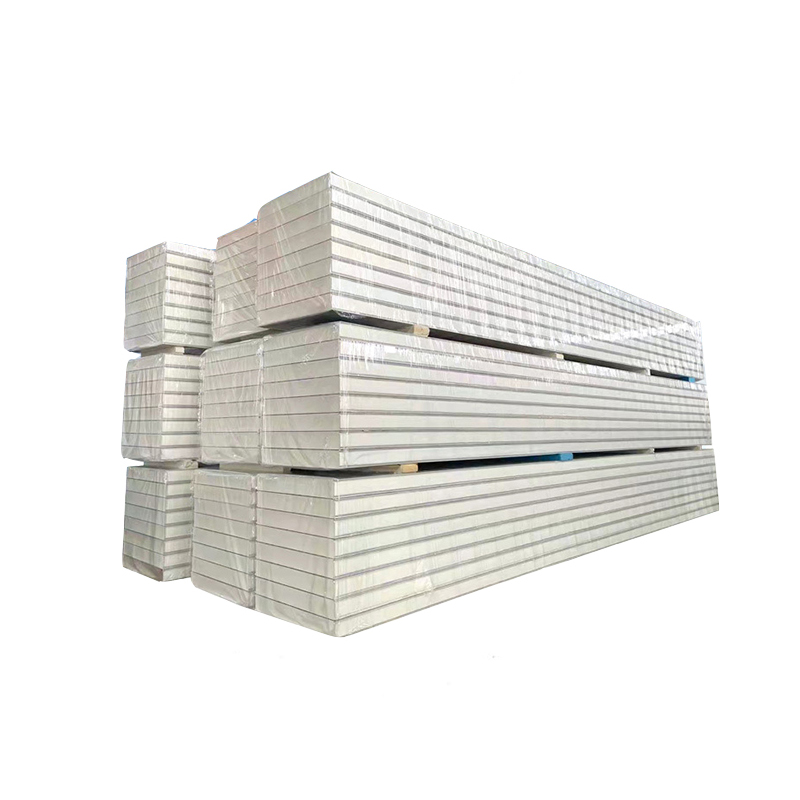
Building a reliable cold storage facility requires more than purchasing insulated panels and refrigeration equipment. Every component must work together, from the building enclosure and door sealing to refrigeration capacity and electrical controls. When these systems come from different suppliers, project owners often face compatibility problems, unclear responsibilities, and unexpected installation delays. A one stop cold storage solution brings these elements into a coordinated project scope. Instead of managing several independent contractors, buyers can work with one project partner from design and production to installation and technical support.
Better system compatibility: Panels, doors, refrigeration equipment, and electrical controls should be designed around the same project requirements.
Clearer responsibility: One coordinated supplier can reduce communication gaps and simplify quality management, delivery tracking, and after-sales support.
More predictable delivery: Unified technical planning helps align manufacturing, shipping, installation, and commissioning schedules.
Improved operating efficiency: Proper insulation, door sealing, refrigeration control, and energy monitoring contribute to more efficient cold storage operations.
Long-term energy planning: Intelligent electricity monitoring and suitable solar and energy storage solutions can help operators manage ongoing electricity expenses.
A cold storage facility is an integrated system. Its performance depends on how the building envelope, access points, refrigeration equipment, and control systems interact.
Buying each component separately may appear flexible at first. However, it creates three common problems during project execution.
Cold storage panels, doors, and refrigeration equipment have different technical requirements, but their installation interfaces are closely connected.
For example, door dimensions must match the reserved wall openings. Door frames must connect properly with the surrounding insulated panels. Sealing materials must accommodate the installation structure and operating temperature.
The refrigeration system also needs to match the room dimensions, insulation performance, target temperature, and expected heat load.
If the panel supplier, door manufacturer, and refrigeration contractor work independently, important details may be overlooked.
A door opening that differs from the approved panel layout can require additional cutting or structural adjustments. Poorly coordinated sealing details may create air leakage and condensation risks.
These problems are often more expensive to correct after the panels have been installed.
Consider a cold room that cannot maintain its target temperature.
The cause might be insufficient refrigeration capacity, excessive door openings, poor sealing, incorrect insulation specifications, or installation defects.
When several suppliers are involved, each party may focus on its own product rather than investigating the complete system.
The panel manufacturer may attribute the problem to refrigeration performance. The refrigeration contractor may identify excessive heat infiltration around the doors. Meanwhile, the project owner must coordinate multiple technical teams to find the actual cause.
A one-stop supplier can provide a more centralized communication and coordination process.
This does not eliminate every technical risk, but it makes it easier to establish responsibilities and organize troubleshooting.
Cold storage energy consumption is influenced by several connected factors.
Insulation performance affects heat transfer through walls and ceilings. Door sealing influences air infiltration. Opening frequency changes the cooling load. Refrigeration equipment must remove the heat entering the room while maintaining the required temperature.
If these elements are specified independently, the final system may not operate as efficiently as expected.
For instance, selecting a high-performance refrigeration unit cannot fully compensate for poorly sealed doors or unsuitable insulation.
A coordinated design considers the thermal envelope, access arrangements, refrigeration capacity, and control strategy together.
A professional one-stop cold storage solution should coordinate the project from the initial technical assessment to final installation and commissioning.
The goal is not simply to put several products into one quotation. It is to make sure that every component is designed for the same operating environment.
The first step is understanding the actual cold storage requirements.
The project team needs information about room dimensions, target temperatures, stored products, storage capacity, operating hours, local climate, and expected door-opening frequency.
Based on these details, the supplier can coordinate the building layout, panel specifications, door positions, refrigeration requirements, and electrical arrangements.
For example, a frozen food warehouse operating at a low temperature requires different insulation and refrigeration considerations from a chilled produce room.
For projects with multiple temperature zones, each area should have its own clearly defined operating requirements.
GREEN BIO provides technical consultation, material selection support, drawing review, and layout optimization. Its service process also includes material layout drawings and construction detail review to help reduce unnecessary adjustments during installation.
The connection between cold storage panels and doors is one of the most important design interfaces.
Panel thickness, door frame dimensions, opening sizes, sealing structures, and connection accessories should be confirmed before manufacturing.
A coordinated design helps ensure that the door fits the reserved opening and that the surrounding insulated structure can be properly sealed.
GREEN BIO supplies customized cold storage panels and cold storage doors for different storage and industrial applications.
Its own patented hardware accessories also form part of the company's product solution approach, helping support consistent component connections and installation requirements.
Refrigeration equipment should be selected according to the actual cooling load rather than room volume alone.
Important factors include product loading, incoming product temperature, ambient conditions, insulation performance, door traffic, and operating schedules.
The refrigeration unit, evaporator, fans, temperature sensors, and control equipment must work within a coordinated system.
Electrical requirements also need early confirmation.
Power supply capacity, control panel arrangements, sensor locations, equipment protection, and safety requirements should be reviewed before installation.
For overseas projects, the design and installation scope must also account for applicable local electrical, mechanical, and building requirements.
Even correctly specified products can underperform if installation is poorly coordinated.
Panel alignment, joint sealing, door frame positioning, refrigeration pipe connections, electrical wiring, and control settings all influence final performance.
A coordinated installation plan should define the construction sequence and inspection points.
After installation, the system should be checked under agreed operating conditions. This includes verifying door operation, temperature control, refrigeration performance, sealing details, and electrical safety.
The final handover should include relevant technical documents, operating instructions, and maintenance guidance.

A useful example is GREEN BIO's published AS/RS automated cold storage warehouse project in Chicago, USA.
The project involved a 24-meter-high automated cold storage facility for a major North American logistics enterprise.
Unlike a conventional cold room, an automated high-bay warehouse requires close coordination between the insulated building structure, automated storage equipment, and material handling systems.
The project highlighted three important technical requirements.
High-Precision PIR Panel Installation
The warehouse used high-precision PIR sandwich panels. Their flatness deviation was controlled within 1 mm to support the accurate installation of stacker crane rails.
In an automated warehouse, small structural deviations can affect the alignment of equipment operating at considerable heights. Panel precision therefore becomes part of the overall system installation requirement.
Electric Door and AGV Integration
The project incorporated intelligent electric sliding doors connected with the AGV dispatch system.
Instead of treating the doors as independent building components, the project coordinated door operation with automated material handling.
This integration helped improve inbound and outbound efficiency by 300%, according to GREEN BIO's published project case.
Safety and Insurance Benefits
The project also secured FM Global certification, with the published case reporting a 15% reduction in the client's insurance premiums.
These results demonstrate why cold storage construction should be considered as an integrated engineering project rather than a collection of unrelated products.
The project reference can be viewed here:
GREEN BIO AS/RS Automated Cold Storage Warehouse in Chicago, USA
The published case specifically documents PIR panels, electric sliding doors, AGV integration, and specialized sealing joints. It does not specify the complete refrigeration equipment supply scope. For other projects, refrigeration design and delivery should therefore be confirmed separately in the agreed project contract.
One of the practical advantages of working with a cold room turnkey supplier is having a clear communication structure.
When several suppliers are involved, project owners may need to contact different sales representatives, engineers, production teams, and installation contractors.
A coordinated project model simplifies this arrangement.
Project Element | Coordinated Delivery Approach | Benefit to the Buyer |
|---|---|---|
Project design | One technical coordination process | Fewer design conflicts |
Cold storage panels | Coordinated dimensions and specifications | Better installation compatibility |
Cold room doors | Matched openings, frames, and sealing details | Reduced interface problems |
Refrigeration system | Equipment selected according to cooling load | More suitable system operation |
Production and delivery | Unified order tracking and schedule coordination | Better delivery visibility |
Installation | Agreed construction and commissioning responsibilities | Easier project management |
Warranty and support | One coordinated communication channel with documented component coverage | Clearer responsibility when problems occur |
All major components should be reviewed against the same approved drawings and technical requirements.
Changes to room dimensions, door openings, or equipment locations should be communicated across the relevant teams before production or installation.
GREEN BIO's service process provides an exclusive order manager as the customer's main contact.
The order manager follows production progress, coordinates updates, and communicates important inspection and delivery information.
This gives buyers a clearer route for handling technical questions and project changes.
A project should have clearly documented warranty responsibilities before the order is confirmed.
The contract should specify coverage periods, product-specific conditions, exclusions, and the procedure for handling quality issues.
With one coordinated after-sales channel, buyers do not need to start from zero when a problem involves several connected components.
GREEN BIO provides product documentation, installation guidance, remote technical assistance, and quality-related after-sales support. For large or complex projects, on-site technical guidance can also be arranged by prior agreement.
A cold storage facility continues to consume electricity long after construction is completed.
Therefore, a good one-stop cold storage solution should consider not only installation costs but also daily operating performance.
Insulation Performance
Suitable PIR or PU panel specifications help limit heat transfer through the building envelope. Proper joint connections and sealing details are also important for maintaining temperature stability.
Door Sealing and Operation
Poorly sealed doors and unnecessary opening time can increase warm air infiltration. Door selection should consider storage temperature, traffic frequency, access requirements, and operating conditions.
Refrigeration System Matching
Refrigeration equipment should be selected according to the calculated cooling load and actual operating conditions. Oversized or undersized equipment can create unnecessary operating challenges.
Intelligent Energy Monitoring
GREEN BIO provides an intelligent energy monitoring system that allows customers to check daily cold storage electricity consumption.
Instead of relying only on monthly utility bills, operators can obtain clearer information about daily energy use and identify unusual consumption patterns.
Solar and Energy Storage Integration
For suitable projects, photovoltaic systems and energy storage can be considered as part of the overall energy strategy.
Solar generation may help supply part of the facility's electricity demand, while energy storage can support load management depending on the local electricity tariff and operating schedule.
The actual financial benefit depends on local solar resources, electricity prices, equipment investment, battery capacity, and the facility's energy profile.
The advantage of considering these options during the design stage is that the building, refrigeration system, monitoring platform, and energy strategy can be evaluated together.
Before signing a contract, buyers should evaluate more than the supplier's product catalogue.
Manufacturing Capability: Confirm whether the supplier has direct manufacturing resources and can provide evidence of production and quality control.
Product Compatibility: Ask how panel dimensions, door openings, sealing structures, and refrigeration requirements are coordinated.
Engineering Support: Confirm whether the supplier can review drawings, recommend specifications, and prepare installation details.
Project Management: Identify the person responsible for production tracking, delivery communication, and technical coordination.
Installation Responsibilities: Clarify who handles installation, equipment connections, commissioning, and local compliance requirements.
Warranty Coverage: Request written warranty terms for each component and confirm how issues involving multiple systems will be handled.
Energy Management: Ask whether intelligent energy monitoring or solar and energy storage integration is available for the project.
A reliable cold room turnkey supplier should be able to explain these points clearly before the order is placed.
A cold storage facility is only as reliable as the coordination between its major components.
Purchasing panels, doors, and refrigeration equipment separately can create compatibility problems, unclear responsibilities, and additional project management work.
A one-stop cold storage solution brings these elements into a coordinated design and delivery process.
For project owners, the value lies in clearer technical communication, better schedule coordination, and more manageable after-sales responsibilities.
GREEN BIO combines cold storage panel and door solutions with project design support, manufacturing coordination, refrigeration system planning, and installation services according to the agreed project scope.
Its intelligent energy monitoring and optional solar and energy storage solutions also help customers consider operating efficiency from the beginning.
If you are planning a new cold storage warehouse, food processing facility, or temperature-controlled distribution center, selecting one coordinated project partner can make the entire process easier to manage.
A one stop cold storage solution brings together the main components and services required to build a cold storage facility. These may include insulated panels, cold room doors, refrigeration equipment, technical design, manufacturing, delivery, installation, and commissioning.
The panel system affects heat transfer into the room, while refrigeration equipment must remove the resulting cooling load. Coordinated specifications help reduce design conflicts and improve system compatibility.
Yes. A qualified supplier can coordinate panel thickness, dimensions, surface materials, door openings, frame structures, and sealing arrangements according to the project drawings and operating requirements.
Not automatically. However, unified design review, production scheduling, and delivery coordination can reduce communication delays and prevent avoidable interface problems. Actual delivery depends on manufacturing capacity, logistics, installation conditions, and project scope.
GREEN BIO provides drawing review, material layout guidance, production tracking, quality inspection, installation documentation, and remote technical assistance. On-site technical guidance can also be arranged for large or complex projects by prior agreement.
Energy monitoring does not directly reduce electricity consumption. It helps operators understand daily usage, identify unusual patterns, and make better operating decisions. Actual savings depend on the improvements implemented.
Yes, where site conditions and project economics support them. Solar generation and energy storage should be evaluated against the facility's electricity demand, local tariffs, available installation space, and operating schedule.
Provide the room dimensions, target temperatures, stored products, required storage capacity, project location, operating schedule, door requirements, and electrical conditions. These details help the supplier evaluate panel specifications, refrigeration capacity, installation arrangements, and energy management options.
GREEN BIO, operated by Jiangsu Green Bio-Environmental Protection Technology Co., Ltd., provides insulated building materials and cold storage solutions for international industrial and commercial projects.
The company offers cold storage panels and cold room doors, together with project consultation, customized production, technical coordination, and installation support. Its solution approach also incorporates proprietary patented hardware, intelligent energy monitoring, and optional photovoltaic and energy storage integration.
By bringing key cold storage components and project services together, GREEN BIO aims to help customers build facilities that are reliable, energy-conscious, and easier to manage.
Planning a new cold storage project? Contact GREEN BIO to discuss your project dimensions, temperature requirements, refrigeration needs, and complete delivery plan.


