
English 


Views: 0 Author: Site Editor Publish Time: 2026-08-17 Origin: Site


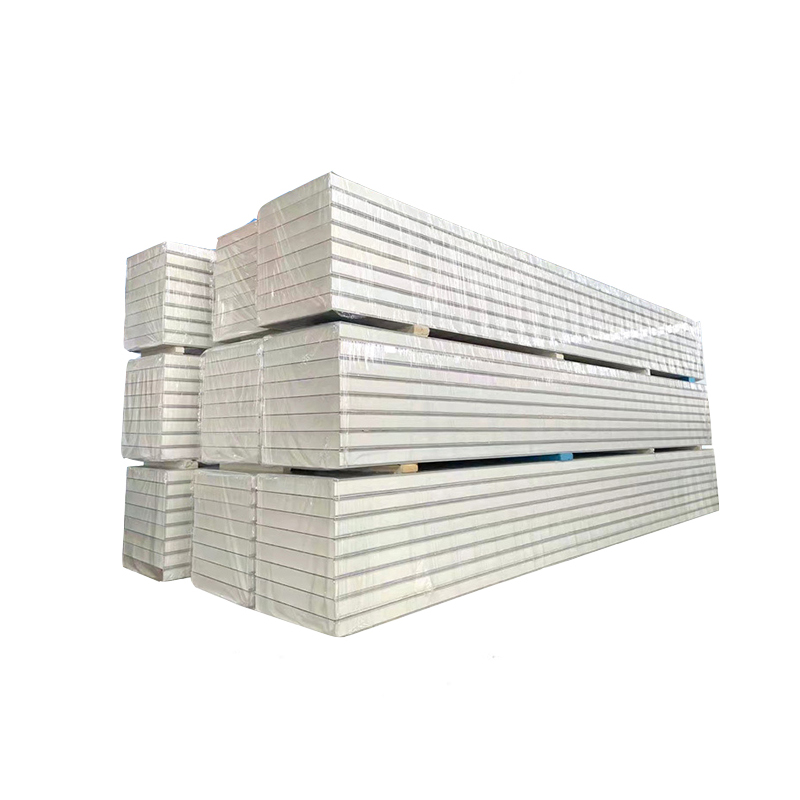
Post-harvest loss destroys millions of tons of harvested crops annually. Temperature and humidity fluctuations drive this massive degradation across the agriculture sector. When growers try to cut corners by using retrofitted barns or standard commercial insulation, they fail to maintain the strict microclimates required for fresh produce. Standard building envelopes allow thermal bridging, uncontrolled moisture ingress, and rapid crop decay. You cannot rely on fiberglass and drywall to hold a room at 34°F with 95% relative humidity. Purpose-built agricultural cold storage panels provide the foundational engineering necessary for precise climate control. These engineered components create a hermetic seal around your harvest, stopping vapor drive and heat transfer dead in their tracks. Selecting the right structural panels dictates the viability of your entire storage operation.
Thermal Consistency: High-density insulated cold room panels prevent thermal bridging, ensuring the precise temperature control necessary to slow produce respiration and decay.
Quality Preservation & Market Reach: By locking in optimal temperatures, engineered panels extend shelf life and maintain crop color, texture, flavor, and nutritional value, allowing growers to access broader markets.
Moisture and Hygiene Control: Impermeable panel facings and interlocking joint systems act as critical vapor barriers, preventing condensation, mold growth, and cross-contamination.
Regulatory Compliance: Selecting panels with food-grade, easily washable finishes is a baseline requirement for meeting FDA, USDA, or local food safety and sanitation standards.
Successful fresh produce preservation requires strict environmental baselines. You must maintain specific temperature ranges alongside high relative humidity. Crucially, you must achieve this high humidity without allowing free moisture to form on the produce or the walls. Achieving this delicate balance determines the viability of your harvest. A well-constructed facility directly dictates your overall yield. Different crops demand vastly different environments. Apples might require storage at 32°F with 90% relative humidity, while certain squash varieties need 50°F and lower humidity. Your building envelope must handle these internal conditions regardless of the weather outside.
Harvested crops are living organisms. They continue to respire and produce ethylene gas after leaving the field. Reliable farm cold storage slows this biological reality. A stable, insulated environment drastically reduces respiration rates. It limits ethylene production, which otherwise accelerates ripening and decay. This environmental stability directly preserves critical consumer metrics. You maintain the vibrant color, firm texture, and peak flavor of the crop. You also lock in the nutritional value that consumers demand. When temperatures fluctuate even a few degrees, respiration spikes, and you lose marketable weight through dehydration.
Beyond preservation, facility design impacts your daily operations. Reliable climate control allows you to decouple harvest timing from immediate market delivery. You no longer have to rush perishable goods to buyers the moment they leave the field. This flexibility prevents forced sales during market gluts when supply outpaces demand. You gain the ability to hold your crop until market conditions improve. Managing your harvest effectively requires a facility that supports distinct operational phases.
Field Heat Removal: Rapidly dropping the temperature of incoming crops using specialized precooling rooms to halt initial degradation.
Long-Term Holding: Moving the cooled produce into bulk storage rooms where temperature and humidity remain absolutely static for months.
Staging and Outbound Loading: Utilizing refrigerated dock areas to prevent temperature abuse while pallets wait for transport trucks.
Extending the shelf life of perishable goods expands your market opportunities. Farmers and distributors gain more time for complex logistics. You can confidently load trucks bound for distant, higher-paying retail markets. Reducing food waste at the facility level translates directly to higher overall output. A tightly sealed room gives you the buffer needed to manage supply chains effectively.
Many older facilities attempt to use standard building insulation for climate control. They rely on fiberglass batts or standard expanded polystyrene (EPS) packed between wood or steel studs. This approach fundamentally fails in agricultural applications. Standard insulation cannot handle the extreme demands of a commercial cooling environment. You must contrast these traditional methods with engineered composite panels to understand the performance gap. A standard wall assembly breathes. A cold storage envelope must remain completely impermeable.
The primary failure point is moisture control. Produce environments require high humidity to prevent crop dehydration. Standard fiberglass insulation absorbs this moisture like a sponge. Vapor drive forces humidity from the warmer side of the wall to the colder side. When you use standard construction for fresh produce cold storage, moisture penetrates the drywall or plywood. Once fiberglass gets wet, it experiences a total loss of R-value. The material sags, clumps, and leaves large voids in the wall cavity. This creates a breeding ground for mold and structural rot. The facility quickly loses its ability to hold temperature.
Thermal bridging presents another massive problem for traditional construction. Standard stud-framing creates continuous pathways for heat transfer. Wood and steel conduct heat much faster than insulation. These studs act as thermal bridges, pulling outside heat directly into the cooler. This forces your refrigeration units to overwork constantly. It also creates localized warm spots along the walls. Produce stored near these warm spots will spoil faster than the rest of the room. You will see condensation lines forming exactly where every stud sits behind the wall.
Engineered panels eliminate these failure points. They remove the need for traditional stud framing within the wall cavity. The continuous foam core blocks heat transfer entirely. The metal facings reject moisture penetration. This creates a highly controlled environment tailored specifically for agricultural needs.
Wall Assembly Performance Comparison
Assembly Type | Moisture Resistance | Thermal Bridging | Structural Integrity in High Humidity |
|---|---|---|---|
Wood Studs with Fiberglass | Poor (Absorbs water, loses R-value) | High (Wood conducts heat) | Fails (Wood rots, insulation sags) |
Steel Studs with EPS | Moderate (EPS resists water, cavity does not) | Severe (Steel is highly conductive) | Moderate (Rust potential on studs) |
Engineered Composite Panels | Excellent (Impermeable metal skins) | None (Continuous foam core) | Excellent (Will not warp or rot) |
You must evaluate panel features based on the specific storage outcomes they produce. Every component of a composite panel serves a distinct engineering purpose. Understanding these functions helps you specify the right materials for your facility. The core, the skin, and the structural profile all work together to protect your harvest. You are not just buying walls; you are buying a climate management system.
Sustained thermal performance relies on closed-cell foam cores. These cores maintain consistent thermal resistance over decades of use. Unlike fiberglass, closed-cell foam does not degrade or settle. The microscopic cells trap insulating gases, providing exceptional R-values per inch of thickness. This sustained performance directly translates to lower refrigeration energy loads. Your cooling equipment runs less frequently, extending its operational lifespan. When the compressors cycle off, the room holds its temperature because the dense foam prevents heat from bleeding through the walls.
Vapor barriers play a critical role in humidity regulation. Metal skins, typically made of 26-gauge galvanized steel or aluminum, create an absolute vapor barrier. This barrier is critical when storing high-water-content crops like apples, berries, or leafy greens. These crops require environments with 90% to 95% relative humidity. The impermeable metal skins prevent this internal moisture from escaping into the wall cavity. They also stop external humidity from infiltrating the room during hot summer months. This strict regulation prevents crop dehydration and weight loss.
Structural integrity allows for optimized facility design. Composite panels offer immense structural rigidity. The bonding of the metal skins to the dense foam core creates a strong, load-bearing component. This rigidity allows for high ceilings and optimized vertical storage. You can stack bins higher without requiring extensive secondary steel framing. Depending on the thickness, these panels can span up to 20 feet or more without additional support. The panels support their own weight and withstand the internal pressures of a fully loaded storage room.
Selecting the right materials requires a careful analysis of your specific operational needs. Not all panels perform equally in agricultural settings. You must evaluate the core materials, the joint systems, and the surface finishes. Each of these elements impacts the long-term viability of your insulated cold room panels. Specifying the wrong panel type leads to premature failure and compromised food safety.
Core material selection dictates thermal efficiency and fire ratings. Polyurethane (PUR) offers excellent insulation properties and is a standard choice for many coolers. Polyisocyanurate (PIR) provides similar thermal efficiency but boasts significantly higher fire resistance. PIR panels often meet strict insurance and building code requirements for large agricultural facilities because they self-extinguish when exposed to flame. Expanded Polystyrene (EPS) provides a baseline level of insulation but generally requires thicker panels to match the R-values of PUR or PIR. EPS also lacks the structural rigidity of injected polyurethane systems.
Insulation Core Material Specifications
Material Type | Thermal Efficiency (R-Value per inch) | Fire Resistance Rating | Structural Rigidity |
|---|---|---|---|
Polyisocyanurate (PIR) | High (R-7 to R-8) | Excellent (Self-extinguishing) | High |
Polyurethane (PUR) | High (R-7 to R-8) | Moderate | High |
Expanded Polystyrene (EPS) | Moderate (R-4 to R-5) | Low to Moderate | Moderate |
Joint systems dictate the airtightness of the facility. You must choose between cam-lock systems and slip-joint profiles. Cam-lock panels feature embedded locking mechanisms that pull the panels tightly together using a hex wrench. This creates an exceptionally strong, airtight seal ideal for freezers and high-humidity coolers. Slip-joint, or tongue-and-groove profiles, slide together and rely on applied sealants to block air infiltration. While slip-joints are faster to install on massive warehouse builds, cam-locks provide superior long-term performance in demanding, high-moisture environments.
Surface finishes directly impact food safety compliance. Agricultural sanitation protocols require smooth, non-porous, and corrosion-resistant surfaces. Standard painted steel can scratch and rust in high-humidity environments, especially when exposed to acidic crop juices or harsh cleaning chemicals. You should specify specialized coatings like Plastisol or high-build polyester. These finishes withstand aggressive washdown procedures and chemical sanitizers. They prevent bacteria from harboring on the walls, ensuring you pass strict food safety audits.
Balancing upfront material choices against long-term operational efficiency is a critical engineering task. Investing in high-performance structural envelopes yields significant returns through energy optimization. You must look beyond the initial construction phase and evaluate how the facility will perform over the next twenty years. A cheap wall system will cost you exponentially more in electricity and lost produce.
Selecting thicker panels or superior core materials like PIR drastically reduces monthly energy consumption. A thicker panel provides a higher total R-value, which limits heat transfer. Your compressors and evaporators will cycle less frequently. This reduction in mechanical load lowers your daily energy draw. It also reduces wear and tear on expensive refrigeration equipment, minimizing maintenance downtime. When the refrigeration system works less, the air inside the room remains calmer, which further reduces moisture loss from the stored crops.
High-quality panels also offset operational inefficiencies through waste reduction. Post-harvest food waste plummets when you maintain a perfectly stable microclimate. You lose fewer bins to mold, dehydration, or premature ripening. Preserving a higher percentage of your yield allows you to command premium off-season positioning. The ability to deliver flawless produce weeks after the standard harvest window provides a massive operational advantage. Buyers will reject loads that show signs of temperature abuse; a tight room prevents those rejections.
Installation speed also drives operational efficiency during the build phase. Prefabricated, modular panel systems significantly reduce construction timelines. Traditional insulation requires multiple steps: framing, insulating, vapor sealing, and cladding. Insulated composite panels combine all these steps into a single installation process. This modular approach requires fewer labor hours and allows you to bring the facility online much faster. A trained crew can stand hundreds of linear feet of wall in a single day.
Even the best panels will fail if installed incorrectly. You must identify common failure points in cold storage construction and implement strict mitigation strategies. A poorly sealed joint or an uninsulated floor junction will compromise the entire room. Attention to detail during installation is non-negotiable. You cannot fix a bad vapor seal after the room is brought down to temperature.
Preventing condensation and ice build-up requires flawless vapor sealing. You must secure every panel joint, floor junction, and ceiling suspension point. In freezer applications, warm air infiltrating through a poorly sealed joint will immediately freeze. This causes ice accumulation inside the wall cavity, which can physically push the panels apart. In coolers, that same air infiltration causes condensation and rapid mold growth. You must treat the entire envelope as a single, unbroken barrier.
Ensuring proper sealant and gasket application is the primary defense against air leaks. Installers must follow strict protocols when assembling the walls and ceilings.
Apply high-quality butyl tape within the tongue-and-groove joints before pushing the panels together to create a flexible, non-hardening seal.
Inject expanding foam into any voids at the corners or ceiling junctions to maintain continuous insulation.
Apply food-grade silicone sealants along the interior seams to prevent washdown water from entering the joints.
Secure heavy-duty rivets or fasteners at the specified intervals to prevent panel deflection under wind or pressure loads.
Thermal breaks are essential at floor junctions. You cannot rest metal wall panels directly on a concrete slab that extends outside the cold room. The concrete will conduct heat directly under the wall, causing condensation on the floor inside the cooler. Installers must use thermal break blocks, high-density PVC, or specialized base channels to isolate the wall panels from the ambient floor slab. This maintains the integrity of the insulated envelope and prevents floor heaving in freezer applications.
Agricultural cold storage panels function as active, critical components of your facility's climate control and food safety systems. Relying on standard construction methods for fresh produce storage guarantees poor temperature control, high energy usage, and accelerated crop loss. Purpose-built composite panels provide the exact thermal resistance and vapor barriers required to protect your harvest. They lock in humidity, reject outside heat, and provide a sanitary surface that withstands rigorous cleaning.
When planning your facility, match your panel specifications directly to your operational reality. Choose core thicknesses based on your local climate extremes and target internal temperatures. Select facing materials and joint systems that align with your specific crop requirements and regulatory environment. A well-specified panel system forms the foundation of a profitable agricultural operation.
Take the following steps to ensure your next storage project succeeds:
Schedule a comprehensive facility audit to identify existing thermal leaks or moisture issues in your current storage rooms.
Request a technical consultation with a refrigeration engineer to perform accurate thermal load calculations for your new build.
Review product specification sheets to compare PIR and PUR core options against your local building and fire codes.
Establish a strict sanitation protocol that aligns with the specific surface coatings of your chosen panel system.
A: The ideal R-value depends entirely on the delta between your external ambient temperature and your internal target temperature. Standard produce coolers typically require R-20 to R-25. Freezer applications storing frozen agricultural goods require R-40 or higher to prevent excessive heat transfer and equipment strain.
A: High-quality panels maintain strict, unbroken temperature and humidity tolerances. This stable environment halts the enzymatic degradation and respiration processes that cause rapid nutrient loss after harvest. By preventing temperature spikes, the panels lock in vitamins and minerals.
A: These panels utilize a combination of closed-cell foam cores and impermeable metal facings. The metal skins completely stop vapor transmission from both inside and outside the room. This prevents external humidity from infiltrating and internal moisture from condensing within the walls.
A: No. Standard residential SIPs use wood facings which are highly prone to moisture damage, warping, and mold in high-humidity environments. Agricultural facilities require metal-faced cold storage panels designed specifically for washdowns and vapor control.
A: Both offer excellent thermal stability and insulation values. The primary difference is fire resistance. Polyisocyanurate (PIR) has a different chemical structure that makes it highly fire-resistant and self-extinguishing, often required by commercial building codes. Polyurethane (PUR) is standard but less fire-resistant.
A: When installed correctly, these panels typically last 20 to 30 years or more. This lifespan assumes proper maintenance of joint seals, regular cleaning with approved chemicals, and avoiding severe mechanical impacts from forklifts or heavy machinery.
A: Engineered panels feature washable, non-toxic, and seamless finishes like Plastisol. These smooth surfaces prevent bacteria, mold, and pathogens from harboring on the walls. This cleanability is a strict requirement for passing USDA, FDA, and third-party food safety audits.


