
English 


Views: 0 Author: Site Editor Publish Time: 2026-09-11 Origin: Site


Modern construction demands a rigorous, uncompromising balance between energy efficiency and structural safety. When human lives, critical infrastructure, and high-value physical assets are involved, selecting the appropriate insulated building materials is not merely a procurement task. It is a critical engineering decision. In the highly specialized realm of metal insulation panels, two specific materials currently dominate the global market: the PIR panel and the PUR panel.
On the surface, these two architectural panels appear virtually identical to the untrained eye. Both feature durable metal facings and a rigid foam core, offering lightweight construction, structural rigidity, and rapid installation times. However, their internal chemical behavior under severe thermal stress and direct fire exposure is vastly different.
Architects, structural engineers, and facility managers frequently face the complex dilemma of choosing between the two. This decision requires carefully weighing initial material costs against long-term safety, sustained thermal performance, and strict regulatory compliance. Making the wrong choice can lead to catastrophic failures during a fire event or inflated energy costs over the lifespan of a building. By understanding the objective scientific data and real-world application metrics, industry professionals will see exactly why polyisocyanurate serves as the optimal, non-negotiable choice for high-risk projects.
Chemical Superiority: Polyisocyanurate features a highly cross-linked, complex molecular structure. This specific formulation provides significantly higher thermal stability compared to traditional polyurethane.
Unmatched Fire Resistance: Advanced formulations can achieve strict fire classifications. Unlike standard materials that melt and drip, high-grade cores are inherently difficult to ignite and exhibit powerful self-extinguishing properties.
Thermal Efficiency: Both materials provide exceptional insulation capabilities. Nevertheless, advanced polyisocyanurate maintains its structural integrity and stable thermal resistance even when subjected to extreme temperature fluctuations over extended periods.
Long-Term ROI: While initial procurement costs may be marginally higher, the resulting savings in building insurance premiums and sustained energy efficiency make it a superior long-term investment.
Before diving into the technical specifications, it is crucial to understand the current trajectory of the commercial construction sector. Recent market data indicates a massive shift in the industrial cladding industry. Driven by the explosive growth of hyper-scale cloud data centers, pharmaceutical cold chains, and lithium-ion battery manufacturing plants, global fire safety regulations are tightening rapidly. These high-stakes environments generate immense internal heat and carry unprecedented fire risks.
Consequently, regulatory bodies and commercial insurance underwriters are aggressively phasing out combustible legacy foams. The market trend is moving decisively away from basic thermal barriers toward active, char-forming technologies. Facility developers are no longer just buying insulation; they are investing in passive fire suppression systems built directly into the building envelope. This macroeconomic shift is exactly why advanced polyisocyanurate technologies are rapidly capturing the market share previously held by traditional polyurethane.
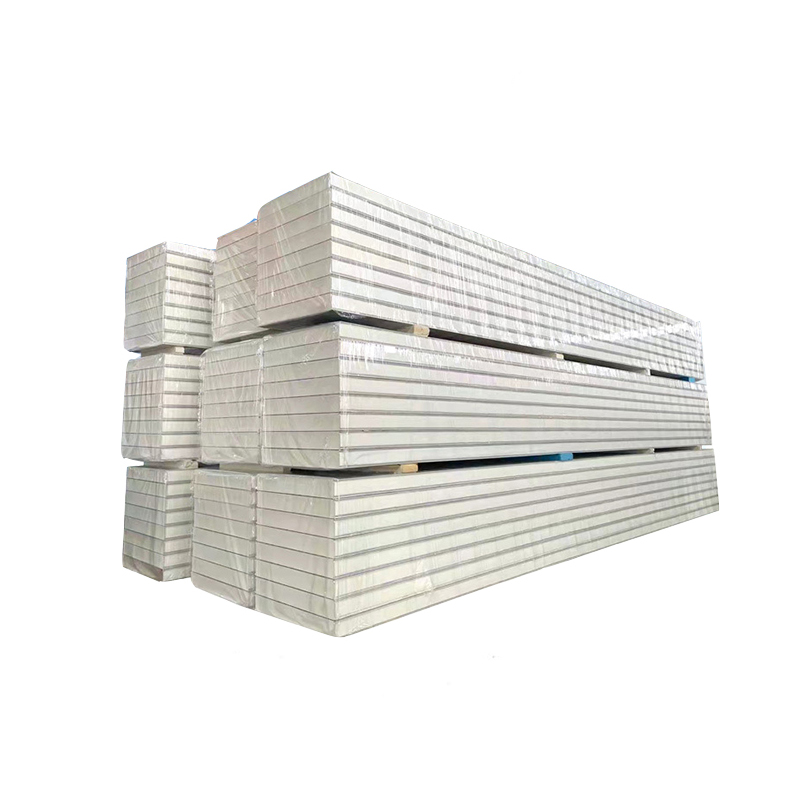
To fully grasp why these materials perform differently under stress, we must establish a foundational understanding of their origins and how they evolved within the industrial cladding industry.
Polyurethane, commonly referred to as PUR, served as the baseline standard for metal-faced insulation for several decades. It is created through a highly controlled exothermic chemical reaction between two primary liquid components: a specialized polyol and an isocyanate, specifically methylene diphenyl diisocyanate.
When these liquid chemicals mix with a blowing agent on a continuous lamination line, they expand rapidly to form a rigid, closed-cell foam that bonds strongly to galvanized steel or aluminum facings. The primary architectural advantages of this legacy material include its incredibly lightweight nature, excellent thermal insulation properties, and overall cost-effectiveness. Historically, it was the go-to material for standard cold storage facilities and general warehousing. Yet, as structural fire safety codes have evolved, its chemical limitations under extreme thermal loads have become a liability in high-risk zones.
Polyisocyanurate is a highly advanced, chemically engineered evolution of traditional polyurethane technology. The physical manufacturing process remains visually similar, utilizing massive continuous production lines to inject liquid foam between moving metal sheets.
The critical distinction lies entirely in the chemical formulation. By significantly altering the chemical ratios and introducing specific, high-performance catalysts, chemical engineers create a foam core that behaves fundamentally differently when exposed to open flames. Today, the PIR panel is mandated to meet the increasingly stringent safety regulations of modern architectural projects, often featuring core densities around 40 to 42 kg/m³ to ensure maximum structural integrity.
To truly understand why one material drastically outperforms the other, we must examine them at a molecular level. The differences are not mere marketing claims; they are deeply rooted in objective organic chemistry and thermodynamic principles.
The primary chemical differentiator is a metric known as the Isocyanate Index. In standard polyurethane production, the ratio of isocyanate to polyol is roughly balanced, typically sitting at an index of around 100 to 110. This creates urethane linkages that are structurally strong for trapping insulating gases but possess measurable thermal weaknesses.
In stark contrast, polyisocyanurate is manufactured with a massive excess of isocyanate, often reaching an index of 250 or 300. Under the influence of high-temperature catalysts during manufacturing, this excess chemical reacts with itself to form complex, three-dimensional ring structures known as isocyanurate rings. These chemically dense rings are incredibly stable. The amount of thermodynamic energy required to break these molecular bonds is substantially higher than the energy required to break standard urethane bonds.
Because of these distinct chemical linkages, the two materials react entirely differently to intense thermal stress. Standard foam begins to experience measurable molecular degradation at relatively lower temperatures, typically around 130°C to 150°C. At this critical threshold, the bonds break down, leading to a rapid loss of structural integrity and eventual collapse of the foam matrix.
Conversely, the highly cross-linked isocyanurate rings provide exceptional thermal stability. The foam can withstand continuous exposure to high temperatures without losing its insulative properties. Furthermore, it can endure short-term temperature spikes exceeding 200°C before any significant chemical degradation occurs. This inherent stability is the foundational reason why it is preferred in environments prone to industrial processing friction or potential fire risks.
In high-stakes environments, fire performance is the single most critical metric evaluated by safety engineers. Here, invisible chemical differences translate into highly visible, life-saving practical behaviors during an emergency.
When standard polyurethane is exposed to a direct, sustained flame, the core breaks down rapidly. The foam can melt, shrink away from the metal facings, and produce flaming liquid droplets. These dripping molten materials are highly dangerous on a job site or in a completed facility. They can easily ignite secondary fires on the floor below, rapidly accelerating the spread of flames throughout a building envelope.
When exposed to the exact same flame source, polyisocyanurate reacts drastically differently. Instead of melting, the intense heat causes the outer surface of the foam to undergo an endothermic process called pyrolysis. This creates a rigid, highly protective carbon char layer. Acting as a physical barrier, this char insulates the underlying unburned foam, prevents oxygen from penetrating the core, and effectively chokes the flame. This self-extinguishing characteristic is what qualifies it as a reliable fireproof sandwich panel solution.
Because of its unique char-forming ability, high-quality polyisocyanurate is frequently tested and classified as a B1 fire rated panel under strict international testing standards like DIN 4102-1. This classification officially indicates that the building material is flame retardant and difficult to ignite.
Achieving a B1 rating means that once the external ignition source is removed, the foam will immediately self-extinguish. It will not sustain a fire on its own or contribute fuel to an ongoing blaze. For developers designing high-risk public facilities, utilizing B1-rated materials is rarely optional; it is a mandatory compliance requirement imposed by municipal codes.
When discussing fire safety, it is intellectually honest to mention Rockwool, or mineral wool, as an alternative. Rockwool offers an A1-class fire rating, meaning it is completely non-combustible. However, pragmatic building design requires balancing multiple engineering factors on the job site.
Performance Metric | Standard Foam Core | Advanced Char-Forming Core | Rockwool Core |
|---|---|---|---|
Fire Rating | B2 / B3 - Combustible | B1 - Flame Retardant | A1 - Non-Combustible |
Thermal Insulation Lambda | Excellent ~0.022 | Superior ~0.020 | Moderate - Requires extra thickness |
Weight and Structural Load | Lightweight | Lightweight | Heavy - Needs reinforced steel |
Moisture Resistance | High - Closed-cell | High - Closed-cell | Low - Absorbs water easily |
While Rockwool provides absolute fire resistance, polyisocyanurate offers a much more pragmatic balance. It delivers exceptional thermal insulation, maintains a lightweight profile that drastically reduces foundation costs, and provides sufficient fire safety via char-forming to meet stringent building codes. Rockwool, by contrast, is exceptionally heavy and highly susceptible to moisture damage if the external sealing of the panel is ever compromised.
Choosing a high-safety material should never require a facility manager to sacrifice long-term energy efficiency. Maintaining a highly stable internal climate is vital for reducing heavy HVAC energy consumption and lowering the operational carbon footprint of a corporation.
Both materials are widely recognized as some of the most efficient insulators available today. Standard polyurethane generally offers an excellent lambda value of approximately 0.022 to 0.024 W/m·K. Modern, chemically optimized formulations easily match or slightly exceed this performance, frequently achieving industry-leading lambda values as low as 0.020 W/m·K.
Because the thermal conductivity is so incredibly low, building contractors can achieve exceptional thermal resistance using relatively thin walls. For instance, a 150mm thick core wrapped in 0.5mm color-coated steel plates provides an impenetrable thermal barrier for cold storage units. This maximizes usable interior floor space. Furthermore, because the advanced foam maintains its rigid chemical structure under thermal stress, its insulation performance does not degrade, sag, or settle over time.
Thermal efficiency is heavily dependent on moisture control. If any insulation material absorbs water, its thermal conductivity increases dramatically. Both foams feature a dense, highly controlled closed-cell structure, typically consisting of over 95 percent closed cells.
This specific structural characteristic makes the core highly impermeable to water vapor. In commercial environments with high ambient humidity, such as sub-zero cold storage warehouses or meat processing plants, this moisture resistance is absolutely critical. It completely mitigates the risk of hidden mold growth, bacterial contamination, and long-term structural degradation of the metal facings.
Cost is a critical factor in any construction project. While procurement managers may initially hesitate at price differences, a thorough lifecycle analysis reveals the true financial value of advanced cladding systems.
It is an objective fact that the complex manufacturing process and higher chemical index make polyisocyanurate more expensive upfront than a standard PUR sandwich panel. However, construction budgeting must account for total lifecycle costs. The superior thermal stability translates to reduced energy consumption for industrial refrigeration systems. Additionally, its durability and resistance to moisture mean fewer replacements and lower maintenance costs over a 30-to-50-year building lifespan.
One of the most significant, yet often overlooked, financial benefits is the impact on insurance. Commercial property insurance premiums are heavily influenced by the fire risk of the building envelope. Because B1-rated materials limit flame spread and property damage, underwriters frequently offer substantially lower premiums for buildings constructed with advanced char-forming foams. Over a few short years, these annual insurance savings can completely offset the initial premium paid for the material.
Understanding the technical differences helps in creating a clear, actionable decision-making framework for specific construction projects.
Char-forming panels should be specified for any project where life safety, high-value asset protection, and strict regulatory compliance are non-negotiable. If your project falls into the following categories, specify a B1-rated core with a thickness between 100mm and 200mm:
Cold Storage and Freezers: Where maintaining strict temperature controls below -20°C is vital, and fire risks from electrical faults in refrigeration units are ever-present.
Pharmaceutical Cleanrooms: Requiring stable environments, strict hygiene, and non-combustible boundaries using smooth, non-porous steel facings.
Data Centers: Where server heat is immensely high, and a localized fire could destroy millions of dollars in digital assets.
Despite the superiority of advanced chemistry, standard polyurethane still has a place in the market. It is highly suitable for low-risk, budget-constrained projects where strict fire codes do not apply. Examples include temporary construction site offices, small agricultural sheds, or interior partitioning in non-hazardous zones where basic thermal insulation is the primary requirement.
A premium panel is useless if installed poorly. I have seen countless high-grade envelopes fail because contractors ignored basic joint sealing. Improper handling on the job site can compromise both the thermal barrier and the fire safety of the building.
Before installation, materials must be protected from environmental damage. They should be stored flat on level supports, elevated off the ground to prevent moisture ingress. While the core is highly durable, forklift tines can easily dent the 0.4mm to 0.8mm metal facings or crush the delicate joint profiles if handled recklessly. Stacks should be kept dry and covered with breathable tarpaulins to protect them from excessive UV exposure and rain prior to assembly.
Modern cladding utilizes sophisticated joint interlocking systems, such as tongue-and-groove or cam-lock mechanisms. To ensure the envelope performs as engineered, contractors must pay attention to the details:
Alignment: Walls must be perfectly plumb and level. Even a two-millimeter deviation at the base can cause massive joint gaps near the roofline, creating a severe thermal bridge.
Fastening: Use only manufacturer-specified fasteners and load-bearing plates to secure the cladding to the structural steel frame.
Sealing: This is the most critical step. To maintain fireproof integrity, joints must be properly sealed using fire-rated butyl tape or specialized intumescent sealants. A poorly sealed joint acts as a chimney, allowing fire to bypass the protective surface and penetrate the building envelope.
In the construction sector, several myths persist regarding foam-core materials. Addressing these misconceptions is vital for objective decision-making.
While they look identical visually, their reaction to stress is completely different. As detailed earlier, legacy foams melt and spread fire, whereas advanced formulations form a protective carbon char. They are chemically distinct materials serving entirely different safety tiers.
It is true that burning any organic matter releases smoke. However, modern advancements in chemical formulation have significantly reduced smoke toxicity and volume compared to older foams. The charring effect inherently limits the amount of material that actually combusts, thereby drastically reducing overall smoke emission during an evacuation scenario.
Many contractors assume that because the components are prefabricated, installation is just clicking them together. In reality, the fire and thermal performance heavily rely on precise joint sealing and the correct application of fire-rated flashings. Ignoring strict installation protocols completely voids the safety benefits of the material.
While traditional polyurethane has served the construction industry well for decades and still holds value for basic, low-risk applications, it is no longer sufficient for modern, high-stakes environments. The polyisocyanurate panel stands as the clear, undisputed champion for high-safety building projects.
By offering an incredibly stable chemical structure, a reliable B1 fire rating through active char formation, and superior long-term thermal performance, it addresses every major concern of modern facility developers. Investing in these advanced materials is not just about meeting building codes; it is a profound investment in protecting human lives, securing high-value physical assets, and guaranteeing decades of energy savings.
Ready to upgrade your facility's safety and thermal efficiency? Stop gambling with legacy materials. Evaluate your specific project requirements and source high-performance, certified cladding solutions directly from industry leaders. Visit Greenlvgreen to explore a full range of advanced insulated panels tailored for high-risk, high-efficiency environments.
Yes, in most renovation cases, they utilize similar mounting profiles and thicknesses. Upgrading older facilities with advanced char-forming cores is a highly recommended method for instantly improving the overall fire safety of a building and lowering insurance premiums.
When installed correctly with proper joint sealing and routine maintenance of the external flashings, these architectural systems can easily last 30 to 50 years without losing their structural rigidity or thermal efficiency.
Generally, advanced polyisocyanurate panels cost 10 to 20 percent more upfront than standard polyurethane panels due to the higher isocyanate index and complex manufacturing process. However, this initial premium is quickly offset by long-term savings in energy efficiency and reduced commercial insurance rates.
Absolutely. They are highly versatile and are manufactured in specific corrugated profiles designed for roofing applications. The excellent load-bearing capacity and moisture resistance make them ideal for creating a continuous, highly insulated building envelope from wall to roof.
No, they can be fabricated and cut using standard circular saws or specialized panel saws. However, because cutting generates fine particulate matter, construction crews should always wear proper personal protective equipment, including dust masks and safety goggles, to avoid inhalation.
It is important to note that no organic building material is entirely fireproof. However, it is highly fire-resistant. Achieving a B1 classification means it will not sustain a flame on its own once the primary fire source is removed, acting as a critical barrier to prevent rapid fire spread.


