
English 


Views: 0 Author: Site Editor Publish Time: 2026-08-21 Origin: Site


Post-harvest loss represents a massive financial drain on the agricultural sector. Up to a third of harvested crops degrade before reaching the market due to inadequate temperature management. Proper storage can extend perishable viability from mere days to several weeks. The core challenge lies in maintaining precise, uninterrupted temperature and humidity control in variable, often harsh agricultural environments. External heat loads and fluctuating weather patterns force cooling systems to work overtime. These energy demands rapidly erode profit margins if the facility lacks thermal efficiency. The mechanical cooling unit is only as effective as the envelope containing it. Upgrading compressors yields minimal returns if the walls leak cold air and absorb ambient heat. This makes farm cold room panels the foundational investment that dictates energy efficiency, shelf-life extension, and overall facility return on investment.
Thermal Efficiency Dictates Profitability: High R-value panels directly reduce the energy load required to maintain target temperatures, lowering operational costs and reducing greenhouse gas emissions.
Market Timing and Pricing Power: By effectively halting deterioration, premium panels allow farmers to hold produce longer, bypassing harvest-time market gluts to sell when demand and prices are higher.
Material Selection Impacts Longevity: The choice between PUR, PIR, and EPS insulation cores determines fire resistance, moisture impermeability, and long-term structural integrity.
Joint Integrity Prevents Spoilage: Precision-engineered panel joints and vapor barriers are critical to preventing moisture ingress, which causes crop dehydration and mold growth.
Scalability and Compliance: Modular panel systems allow for phased facility expansion while ensuring surfaces meet stringent agricultural food safety and washdown standards.
Effective crop preservation requires absolute environmental stability. Harvested fruits and vegetables are living tissues that continue to respire after being picked. This respiration generates heat and moisture, which must be managed mechanically. Fluctuations of even a few degrees trigger ethylene production. Ethylene is a natural plant hormone that drastically accelerates ripening and eventual senescence. A poorly insulated room experiences constant temperature swings as the cooling unit cycles on and off to fight external heat infiltration. A high-quality thermal envelope dampens these external influences. It provides the flat-line temperature stability required to suppress respiration and halt ethylene-induced decay. When we build these facilities, the goal is to create an isolated microclimate that ignores the outside weather entirely.
A sealed thermal envelope fundamentally shifts a farm's distribution capabilities. Highly perishable items like berries, leafy greens, and stone fruits typically have a field-to-spoilage window of roughly two days under ambient conditions. By rapidly bringing the field heat down and holding the crop in a tightly insulated room, that freshness window extends upwards of 21 days. This extension transforms logistics. Instead of selling immediately at local markets regardless of the going rate, growers can transport produce across longer distances. They can negotiate with larger regional distributors or hold the inventory until local market gluts clear and prices rebound. The insulation buys time, and in agriculture, time is revenue.
Thermal bridging occurs when a conductive material creates a pathway for heat to bypass the insulation layer. In agricultural facilities, this often happens at corners, floor junctions, or through improper structural fasteners. Continuous panel insulation prevents this heat transfer from the external environment. When panels interlock tightly without gaps, they form a monolithic barrier. This ensures uniform internal temperatures, which is critical for bulk storage. If thermal bridging occurs, localized warm spots develop inside the room. Crops sitting in these warm pockets ripen faster than the rest of the batch, leading to uneven quality and unpredictable spoilage rates. Field crews must pay strict attention to detail during installation to prevent these bridges.
Isolate the base track from the concrete slab using a thermal break material to stop cold transfer into the ground.
Apply continuous beads of non-skinning butyl sealant at all panel-to-panel joints before engaging the locks.
Use specialized insulated suspension hardware when hanging evaporators from the ceiling panels to prevent bolt-through heat transfer.
Ensure corner flashings are packed with expanding urethane foam before the final metal trim is riveted in place.
Temperature is only half the equation. Relative humidity is equally vital. There is a direct relationship between insulation quality and internal moisture levels. When a room is poorly insulated, the mechanical cooling unit must run constantly to maintain the setpoint. Refrigeration coils inherently draw moisture out of the air as they cool it. A constantly running compressor strips the room of humidity. To compensate, the dry air pulls moisture directly from the stored produce. This causes severe crop weight loss, known as shrinkage, along with shriveling and textural degradation. High-performance crop cold storage panels keep the heat out, allowing the cooling unit to run less frequently. This preserves the high relative humidity necessary to keep yields plump and marketable.
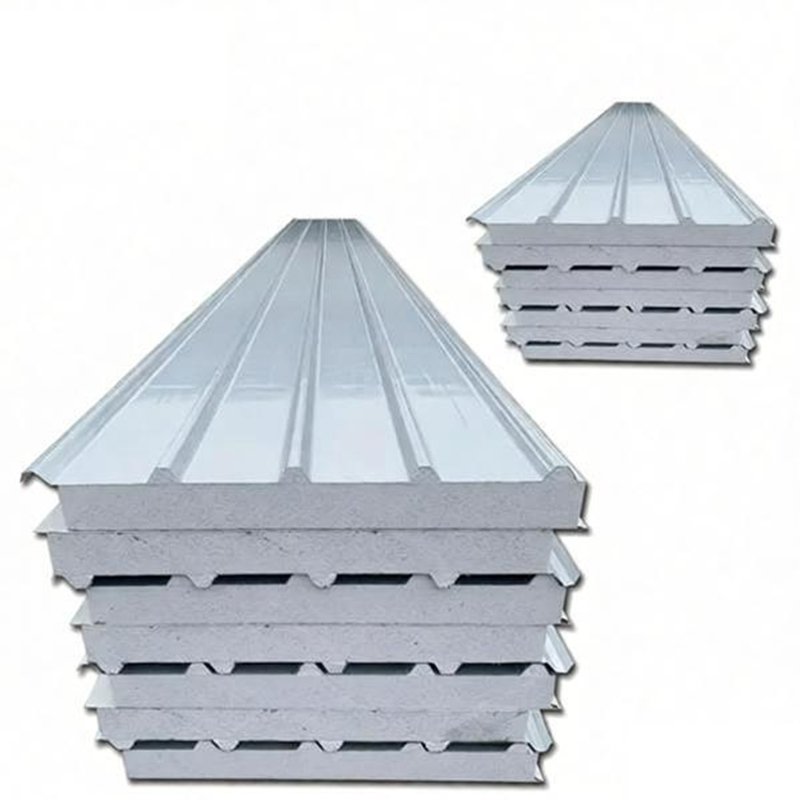
The core material of the panel dictates its thermal resistance, structural strength, and behavior under fire conditions. Understanding the chemistry and physical properties of these foams is essential for facility planning. We see three main materials used in the field, each with distinct operational profiles.
Polyurethane (PUR) is the standard application in agricultural environments. It offers excellent thermal resistance, allowing for thinner walls while maintaining high R-values. PUR expands to fill the panel cavity completely during manufacturing, creating a dense, rigid core that bonds strongly to the metal facings. It is highly effective for standard chilling and freezing applications. Installers favor PUR because it handles well on site and provides reliable long-term performance.
Polyisocyanurate (PIR) represents the premium option. While chemically similar to PUR, PIR is manufactured with a different catalyst and at higher temperatures, resulting in a distinct molecular structure. This gives PIR superior fire-retardant properties. It chars rather than melting when exposed to flame, significantly reducing fire spread risks. PIR offers enhanced structural rigidity, making it the preferred choice for larger facilities requiring longer ceiling spans without secondary steel supports.
Expanded Polystyrene (EPS) serves as a budget-friendly alternative. It is composed of fused polystyrene beads. While it insulates well, it has a lower R-value per inch compared to PUR and PIR. EPS walls must be significantly thicker to achieve the same thermal performance. EPS has a higher permeability rate, meaning it can absorb moisture over time if the vapor barrier is compromised. Once wet, its insulating properties degrade rapidly.
Insulation Core Comparison
Core Material | Thermal Efficiency (R-Value per inch) | Fire Resistance | Moisture Resistance | Best Application |
|---|---|---|---|---|
Polyurethane (PUR) | High (~R-6 to R-7) | Moderate | Excellent | Standard farm cold rooms and freezers. |
Polyisocyanurate (PIR) | Very High (~R-7 to R-8) | Excellent (Chars, does not melt) | Excellent | Large-scale facilities, high fire-risk zones. |
Expanded Polystyrene (EPS) | Moderate (~R-4) | Low | Moderate (Can absorb water over time) | Budget-conscious projects with ample space. |
Selecting the correct panel thickness requires mapping technical specifications to biological outcomes. Different crops require vastly different holding temperatures. Root vegetables like potatoes, carrots, and onions generally store best at around 10°C (50°F). For these moderate temperature requirements, panels ranging from 50mm to 75mm in thickness are usually sufficient. The thermal load is relatively low, so thinner panels perform adequately.
Rapid-cooling crops like berries, asparagus, and leafy greens must be brought down to temperatures between 0°C and 2°C (32°F - 35°F) immediately after harvest. Maintaining these near-freezing temperatures requires robust insulation, typically demanding panel thicknesses of 100mm to 150mm. The pull-down phase for these crops requires massive cooling capacity, and the walls must hold that cold air efficiently.
External climate considerations heavily influence these requirements. A farm operating in a region with peak summer ambient temperatures of 40°C (104°F) faces a massive thermal gradient. The insulation must resist a temperature difference of nearly 40 degrees between the outside and inside. In these harsh climates, specifying thicker panels with higher R-values is mandatory to prevent cooling system overload, regardless of the crop type.
Crop Temperature and Panel Thickness Guidelines
Crop Category | Target Storage Temperature | Recommended Panel Thickness (PUR/PIR) | Cooling Strategy |
|---|---|---|---|
Root Vegetables (Potatoes, Onions) | 8°C to 12°C | 50mm - 75mm | Gradual cooling, high ventilation. |
Hard Fruits (Apples, Pears) | 2°C to 4°C | 75mm - 100mm | Steady holding, controlled atmosphere. |
Soft Berries & Leafy Greens | 0°C to 2°C | 100mm - 150mm | Rapid forced-air pre-cooling. |
Frozen Produce Storage | -18°C to -25°C | 150mm - 200mm | Heavy-duty freezing, heated floors required. |
The interior facing of the panel is just as important as the foam core. Agricultural storage environments are subjected to high humidity, acidic plant juices, and rigorous cleaning protocols. The panel surfaces must meet strict washdown requirements. Food-safe, non-toxic, and corrosion-resistant facings are non-negotiable. Plastisol-coated galvanized steel is a common and effective choice, providing a durable, easy-to-clean surface. For highly corrosive environments or areas requiring the highest sanitation standards, stainless steel facings are utilized.
Pathogen prevention relies heavily on the physical characteristics of these surfaces. Smooth, joint-sealed panel surfaces prevent the accumulation of dirt, organic matter, and standing water. Rough surfaces or poorly sealed joints create micro-environments where bacteria, Listeria, and fungi thrive. These pathogens are the primary culprits behind post-harvest rot. By utilizing seamless, washable panels, facility managers can execute aggressive sanitation protocols without degrading the building materials. We always recommend specifying a ribbed profile for wall panels to add structural rigidity while keeping the surface easy to pressure wash.
Modern agricultural operations are increasingly turning to renewable energy to offset grid dependence and lower operational overhead. The synergy of insulation and solar power is often misunderstood. Off-grid or hybrid solar-powered cold storage is only viable if the insulated farm storage envelope is highly efficient. Solar panels generate power during the day, running the compressors to chill the room. When the sun goes down, the mechanical cooling stops unless expensive battery banks are utilized. A premium panel envelope allows the room to hold the cold generated during the day throughout the night without significant temperature rise. The insulated room itself acts as a thermal battery.
In colder climates, highly insulated panels allow farmers to utilize natural ambient air integration. During winter or cold autumn nights, automated intake louvers draw freezing outside air into the room, cooling the crops without mechanical compressor power. The thick panel walls then trap this natural cold during warmer daytime hours. This setup functions as a highly controlled, above-ground root cellar, slashing energy usage to near zero during specific seasons.
Advanced panel setups can integrate with Phase Change Materials (PCMs). PCMs are substances that absorb or release large amounts of latent heat when they change physical state. By mounting PCM modules on the interior walls of a highly insulated room, the facility maintains target temperatures for extended periods during power intermittency or rolling blackouts. This safeguards the harvest without relying on diesel generators. Combining high-performance panels with renewable cooling technologies significantly cuts a farm's greenhouse gas emissions and boosts seasonal income by lowering the daily cost of holding inventory.
Facility planning requires a rigorous analysis of conceptual trade-offs. There is always a choice between investing in thicker, higher-quality panels upfront versus paying the recurring operational penalty of running high-capacity compressors in poorly insulated rooms. Cheap, thin panels reduce initial construction costs. The resulting heat leakage forces the refrigeration equipment to cycle continuously. This drives up monthly electricity bills, accelerates wear and tear on the compressors, and increases the frequency of maintenance and part replacements.
Lifecycle costing provides a clearer picture. To calculate the true payback period, facility owners must factor in the reduced daily energy consumption achieved by thicker panels. This calculation must include the increased market pricing power gained from extended crop shelf life. If a premium panel system reduces energy usage by 30% and allows a grower to hold 50 tons of apples for an extra month until prices rise by 15%, the return on investment for the upgraded insulation is often realized within the first two to three harvest seasons. The math heavily favors building a tighter envelope from day one.
The performance of a panel is irrelevant if the connections between them fail. Implementation reality shows that poorly sealed joints are the primary failure point in any agricultural cold room. When warm external air meets cold internal air through a gap, condensation forms instantly. This moisture freezes inside the joint, expanding and pushing the panels further apart. This process is known as ice jacking. Moisture ingress compromises the foam core and creates a breeding ground for mold.
Mitigation requires strict attention to connection mechanics. Cam-lock systems are highly recommended. These internal locking mechanisms physically pull the panels tightly together, compressing the gaskets. Tongue-and-groove joint profiles create a labyrinth seal that makes air and moisture penetration exceedingly difficult. The proper application of non-hardening butyl sealants along every joint during installation is mandatory to maintain an absolute, unbroken vapor barrier across the entire facility. We never rely solely on the foam profile to stop vapor drive; the sealant is the true barrier.
The thermal envelope is most vulnerable at entry points. Every time a standard door is opened for loading and unloading, massive air exchange occurs. Heavy, cold air spills out the bottom, while warm, moist ambient air rushes in at the top. This causes immediate temperature spikes and introduces humidity that the evaporators must work hard to remove, leading to coil frosting and energy waste.
To mitigate this risk, facilities must integrate specialized access solutions. High-speed insulated roll-up doors minimize the time the envelope is breached. For high-traffic areas where forklifts operate constantly, heavy-duty plastic vertical strip curtains should be installed just inside the main doors. These curtains physically block air exchange while allowing machinery to pass. Installing heavy steel bollards around door frames protects the panel infrastructure from accidental forklift impacts. A single fork tine can easily puncture the metal facing and ruin the insulation, leading to localized condensation issues.
Agricultural storage needs fluctuate wildly. A common risk is overloading the structural capacity of ceiling panels. Panels have specific span limits based on their thickness and core material. If a facility attempts to hang heavy evaporators, lighting, or overhead track systems directly from ceiling panels that are not engineered for that load, the ceiling will sag and eventually collapse. This is a catastrophic failure that ruins the crop and endangers workers.
Mitigation involves consulting span tables provided by the manufacturer. When necessary, install secondary steel support beams to carry the weight of the refrigeration equipment independently of the panels. Farms must plan for peak harvest volumes. Modular panel designs offer a massive advantage here. Because they assemble via cam-locks or simple slip joints, modular systems allow for rapid facility expansion. A farm can easily unbolt an end wall, extend the floor pad, add new wall and ceiling panels, and replace the end wall. This doubles storage capacity without demolishing existing structures.
Audit your current storage facilities using thermal imaging to identify air leaks, condensation points, and baseline energy waste.
Define the precise target temperature and relative humidity metrics required for your specific crop varieties before selecting panel thickness.
Consult with a refrigeration engineer to conduct a site-specific thermal assessment and ceiling span calculation.
Evaluate the viability of integrating renewable energy sources with a high-performance panel envelope to reduce grid reliance.
A: The ideal thickness depends on the target internal temperature and external climate. Root vegetables stored at 10°C typically require 50mm to 75mm panels. Rapid-cooling crops requiring 0°C to 2°C need 100mm to 150mm panels. Hotter external climates necessitate thicker panels to prevent cooling system overload.
A: High-quality insulation prevents external heat from entering the room. This means the mechanical cooling unit runs less frequently. Because cooling coils strip moisture from the air, running them less preserves the high relative humidity needed to keep crops plump, thereby preventing weight loss and shrinkage.
A: Yes, they are essential for solar integration. A highly insulated envelope acts as a thermal battery. It retains the cold generated by solar power during the day, maintaining safe crop temperatures throughout the night without requiring mechanical cooling or massive battery banks.
A: By providing absolute temperature stability, premium panels extend the shelf life of perishable crops from days to weeks. This allows farmers to hold their harvest, bypass market gluts when prices are lowest, and sell when demand and market prices rebound.
A: Both offer excellent insulation. Polyurethane (PUR) is the standard for agricultural cold rooms, providing high thermal resistance. Polyisocyanurate (PIR) is a premium alternative that offers superior structural rigidity and excellent fire-retardant properties, as it chars rather than melts when exposed to fire.
A: When properly installed with sealed joints and intact vapor barriers, high-quality PUR or PIR panels with corrosion-resistant metal facings can easily last 20 to 30 years. Maintenance of the joint sealants and preventing physical damage from machinery are key to longevity.


