
English 


Views: 0 Author: Site Editor Publish Time: 2026-08-24 Origin: Site


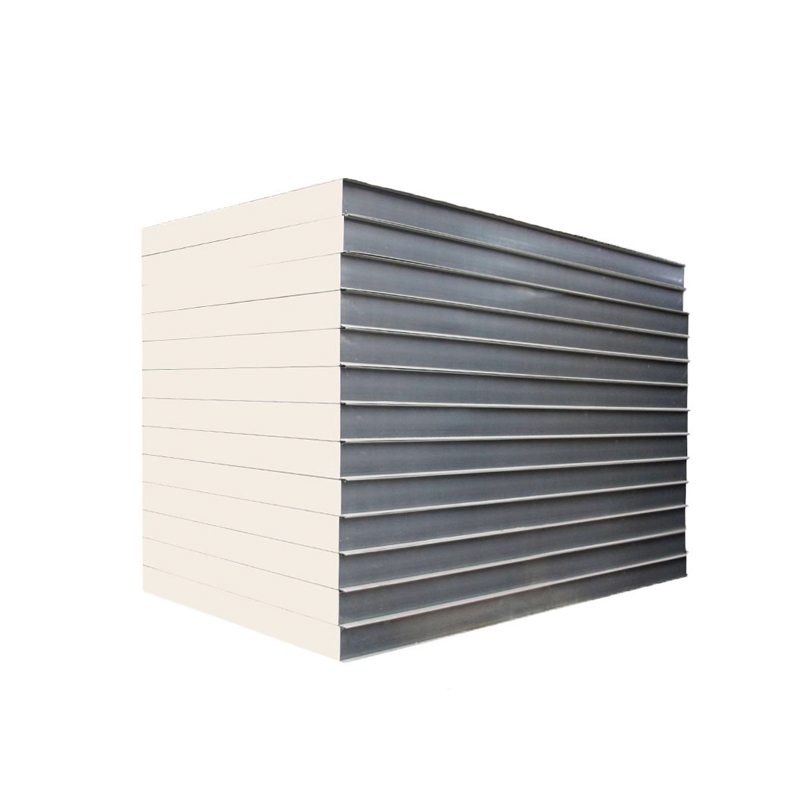
Postharvest losses can degrade 25-40% of a harvest before it reaches retail, primarily due to inadequate temperature and humidity control during the critical cooling phase. Standard facility insulation cannot sustain the precise, aggressive microclimates required to slow fruit respiration rates. Fluctuating temperatures and moisture ingress lead to premature ripening, pathogen growth, and significant revenue loss. When warm fruit sits in poorly insulated rooms, the refrigeration equipment works overtime just to fight ambient heat infiltration, leaving the produce to degrade. Mitigating these risks requires purpose-built infrastructure. This guide evaluates how specialized fruit cold storage panels control thermal dynamics, support controlled atmosphere (CA) environments, and deliver measurable ROI for both small-scale agricultural operations and large distribution facilities. We will break down core materials, joint mechanics, and facility integration strategies to help you engineer a high-performance holding environment.
Thermal Integrity Dictates Shelf Life: High-density core materials (PIR/PUR) minimize thermal bridging, directly reducing the respiration heat generated by harvested fruit during immediate postharvest cooling.
Vapor Barriers are Non-Negotiable: Effective fruit cold room panels utilize specialized joint systems to prevent moisture migration, crucial for maintaining the 90-95% relative humidity required for optimal fruit preservation.
Operational Flexibility: Beyond temperature control, modular cold storage panels allow growers to decouple harvest schedules from immediate delivery demands, optimizing labor and logistics.
Material Selection Impacts Compliance: Surface facings must withstand aggressive washdown protocols and resist microbial harboring to meet strict food safety regulations (FSMA/HACCP).
ROI Extends Beyond Energy Savings: While energy efficiency lowers operational expenditures (OpEx), the primary financial return comes from extending market windows, reducing shrink, and capturing premium off-season pricing.
Harvested fruit remains biologically active long after it leaves the orchard. It consists of living tissue that continues to respire, consuming oxygen and metabolizing plant sugars. This biological process releases carbon dioxide, water vapor, and significant amounts of heat. Climacteric fruits, such as apples and pears, experience a massive spike in respiration and ethylene gas production immediately after harvest. If left unchecked, this field heat accelerates senescence, breaks down cellular structures, and triggers rapid spoilage across the entire bin.
Immediate postharvest pre-cooling halts these metabolic rates instantly. The facility walls must withstand rapid temperature pull-downs without warping, shrinking, or failing under thermal stress. Insulation establishes the baseline requirement for this process. It must maintain strict temperature tolerances, often within 0.5°C, despite massive internal heat loads radiating from tons of freshly harvested crops. When warm fruit enters a chilling room, the cooling equipment works at maximum capacity. The physical envelope of the room must block all external heat infiltration so the refrigeration system can focus entirely on removing the sensible heat from the produce.
Executing a successful pre-cooling phase requires a strict operational sequence:
Stage the harvested bins in a shaded, well-ventilated receiving area to shed initial field heat before they enter the facility.
Load the bins into the blast chiller, ensuring proper spacing between rows to allow for high-velocity airflow.
Engage forced-air cooling fans to pull refrigerated air directly through the vented bins, rather than just circulating air around the perimeter.
Monitor core pulp temperatures using probe sensors until the target holding temperature is reached.
Transfer the cooled bins into the long-term holding room to minimize thermal shock and free up the blast chiller for the next harvest load.
Standard construction often suffers from thermal bridging. Heat moves aggressively from warm environments to cold ones. Highly conductive materials like wood studs, uninsulated metal fasteners, or poorly sealed concrete joints act as thermal highways, bypassing the insulation entirely. Thermal bridging creates localized temperature spikes inside the storage space, disrupting the uniform climate required for delicate produce. These warm spots force the refrigeration system to work harder and create dangerous microclimates where fruit ripens faster than the surrounding bins.
Furthermore, thermal bridging introduces the severe threat of condensation. When warm, moisture-laden air hits cold surfaces, it reaches the dew point. Condensation forms rapidly on walls and ceilings. Free moisture then drips directly onto the produce, accelerating mold growth, fungal infections, and bacterial rot. High-quality postharvest cold storage eliminates these bridges entirely. Continuous insulation pushes the dew point boundary outside the wall cavity, keeping interior surface temperatures stable, preventing destructive condensation cycles, and protecting the harvest from water-borne pathogens.
Engineers typically specify one of three core materials for refrigerated facilities, each offering distinct thermal and structural properties. Expanded Polystyrene (EPS) offers basic insulation capabilities but requires significantly thicker panels to achieve target thermal resistance. While functional for basic dry storage, EPS lacks the density needed for high-performance chilling environments and can absorb water if the vapor barrier fails. Polyurethane (PUR) delivers a much higher R-value per inch, allowing for thinner walls and maximized interior cubic footage. PUR provides excellent thermal resistance and structural strength for standard refrigeration.
Polyisocyanurate (PIR) stands as the modern commercial standard for advanced agricultural facilities. PIR matches the exceptional thermal resistance of PUR but provides vastly superior fire ratings and structural rigidity. The chemical composition of PIR, often utilizing pentane blowing agents, creates a closed-cell foam that chars rather than melts when exposed to high heat. This makes it highly desirable for meeting strict commercial building codes and insurance requirements. When managing heavy structural loads and aggressive temperature differentials, PIR cores deliver the most reliable, long-term performance.
Insulation Core Material Specifications
Core Material | Average R-Value per Inch | Fire Resistance Profile | Moisture Resistance | Optimal Agricultural Application |
|---|---|---|---|---|
Expanded Polystyrene (EPS) | R-3.8 to R-4.4 | Low to Moderate | Moderate (Permeable if exposed) | Budget-conscious, low-risk dry storage facilities |
Polyurethane (PUR) | R-5.5 to R-6.5 | Moderate | High (Closed-cell structure) | Standard commercial refrigeration and freezing |
Polyisocyanurate (PIR) | R-6.0 to R-6.5 | High (Chars instead of melting) | Very High (Closed-cell structure) | Advanced fruit storage, CA rooms, and high-compliance zones |
Insulation is only as effective as its weakest seam. Panel interlocking systems dictate the overall airtightness of the room, which directly impacts energy consumption and climate control. Basic tongue-and-groove edges provide a friction fit, but they often require heavy secondary sealants to prevent air leaks and lack structural pull-together force. In contrast, advanced cam-lock mechanisms actively pull adjoining panels together. By turning a hex wrench, internal hooks engage and compress factory-installed gaskets, forming an immediate hermetic seal.
These airtight joints prevent warm air leakage and stop moisture migration through the wall assembly. A perfect seal is absolutely critical for maintaining the specific humidity levels required for long-term holding. Furthermore, airtight joints prevent ice buildup within the panel seams. When moisture infiltrates a poorly sealed joint and freezes, the expanding ice can physically push the panels apart, destroying the structural integrity of the entire wall.
Achieving a hermetic seal in the field requires strict adherence to joint assembly protocols:
Inspect panel edges for debris, ice, or foam blowout before alignment.
Apply a continuous bead of non-hardening butyl sealant along the female groove of the panel.
Push the panels together manually to engage the labyrinth alignment track.
Insert the hex wrench into the cam-lock port and turn clockwise to lock the internal hooks securely.
Apply a secondary food-grade silicone bead along the interior seam to provide a smooth surface for washdown protection.
The exterior skins of these panels face brutal, wet conditions daily. Metal facings, typically 26-gauge or 24-gauge galvanized steel, stainless steel, or aluminum, provide the necessary structural integrity to withstand forklift bumps and heavy bin stacking. However, raw metal degrades quickly when exposed to the organic acid corrosion emitted by respiring fruit. To combat this, manufacturers apply specialized micron-thick coatings to the metal substrates.
Smooth, non-porous coatings like Plastisol or Polyester protect the steel core from rust and chemical degradation. These hygienic surfaces are mandatory for resisting microbial harboring. Modern facilities must survive aggressive chemical sanitation protocols to meet strict food safety regulations (FSMA/HACCP). The panel facings must withstand daily high-pressure washdowns and harsh sanitizing foams without peeling, blistering, or degrading over decades of heavy industrial use.
Apples, pears, and delicate berries demand 90-95% relative humidity to prevent shriveling, cellular breakdown, and severe weight loss. Maintaining this extreme moisture level places immense structural demand on the facility envelope. Standard drywall, wood framing, or porous insulation will absorb ambient water, degrade rapidly, and lose all thermal resistance. A wet wall provides zero insulation and becomes a breeding ground for toxic black mold.
High-performance fruit cold room panels utilize continuous vapor barriers with extremely low vapor transmission rates. The coated steel facings and closed-cell foam cores completely reject water absorption. This keeps moisture inside the room where the fruit needs it to maintain turgidity, rather than allowing it to be drawn into the wall cavities. By managing the Vapor Pressure Deficit (VPD) accurately, the air remains nearly saturated. A low VPD stops the fruit from transpiring and sweating, ensuring the crop retains its crisp texture and harvest weight for months.
Not all crops share the same storage requirements, and forcing different fruits into a single climate zone guarantees heavy losses. Onions and garlic need cool, dry environments to prevent sprouting and rot, while berries require high humidity and near-freezing temperatures. Modular construction enables facility managers to create distinct, isolated climate zones within a single warehouse footprint.
By erecting insulated partition walls using the same high-density panels, operators can separate conflicting microclimates. This multi-zone approach prevents the cross-contamination of odors and ethylene gas. A properly sealed partition ensures that the high humidity required for apples does not bleed into the dry zone designated for root vegetables. Each crop receives its exact environmental prescription without compromising neighboring inventory.
Long-term storage often relies on Controlled Atmosphere (CA) or Ultra-Low Oxygen (ULO) technology to extend market viability. These advanced systems replace ambient oxygen with nitrogen and scrub carbon dioxide to effectively put the fruit to sleep, halting the ripening process almost entirely. Oxygen levels are often dropped below 2%. This process creates extreme atmospheric pressure differentials between the interior room and the outside environment.
Standard cold rooms will leak gas, forcing the nitrogen generators to run constantly and eventually failing to maintain the required atmosphere. Specialized CA panels equipped with gas-tight sealants, heavy-duty cam-locks, and specialized corner extrusions prevent oxygen ingress and carbon dioxide leakage. Creating a truly hermetic seal allows operators to hold apples and pears in suspended animation for up to twelve months, maintaining orchard-fresh quality long after the harvest season ends. Fruit preservation at this level requires absolute structural integrity.
Preparing a room for CA storage involves rigorous sealing procedures:
Install specialized gas-tight doors equipped with inflatable pneumatic seals.
Apply elastomeric gas-tight paint over all interior panel joints, corner extrusions, and exposed rivet heads.
Seal all electrical conduits, sensor wires, and refrigeration pipe penetrations with expanding urethane foam and heavy mastic.
Conduct a positive pressure test to verify the room holds pressure for the required duration without excessive leakage.
Refrigeration compressors consume massive amounts of electricity, often representing the largest single operating expense for an agricultural facility. High R-value panels directly reduce compressor run-times by blocking heat transfer from the outside environment. When the thermal envelope is secure, the cooling system works significantly less to maintain target temperatures, dealing only with the latent heat of the produce rather than fighting ambient heat infiltration. This reduction in mechanical strain lowers operational expenditures (OpEx) dramatically.
While premium PIR insulation requires a higher initial capital expenditure (CapEx) than basic EPS or wood-framed construction, the month-over-month reduction in utility bills provides a rapid payback period. Furthermore, reduced compressor cycling extends the lifespan of expensive refrigeration equipment, lowering maintenance costs and preventing catastrophic equipment failures during peak harvest. Long-term energy savings consistently outpace the upfront costs of superior paneling.
The most substantial financial return comes from saving the crop itself. Proper insulation reduces postharvest shrink by minimizing weight loss, decay, and spoilage. Even a 5% reduction in shrink can translate to tens of thousands of dollars in saved revenue for a mid-sized operation. By maintaining optimal humidity, the fruit retains its water weight, ensuring you sell the maximum tonnage possible.
Estimated Postharvest Shrink Reduction by Storage Type
Storage Environment | Average Moisture Loss (30 Days) | Spoilage Risk | Market Window Extension |
|---|---|---|---|
Ambient Barn Storage | 15% - 25% | Very High | None (Immediate sale required) |
Standard Refrigeration (Low R-Value) | 8% - 12% | Moderate | 2 to 4 Weeks |
High-Density PIR Cold Room (High Humidity) | 2% - 4% | Low | 3 to 6 Months |
Hermetic CA Room (PIR Panels) | < 1% | Very Low | 6 to 12 Months |
Furthermore, holding produce safely for weeks or months allows growers to bypass harvest-season market gluts. Instead of selling at rock-bottom prices when regional supply is highest, operators can wait and release their inventory during peak demand. Capturing premium off-season pricing transforms a storage facility from a necessary cost center into a major strategic revenue generator. The panels literally buy you time to dictate your own market terms.
Reliable on-site cooling provides immense operational flexibility. It decouples the harvest schedule from immediate delivery demands. Farm managers no longer need to rush perishable produce directly to retail buyers or processing plants the moment it leaves the field. This buffer smooths out labor spikes, allowing crews to pick at optimal maturity rather than scrambling to meet frantic logistical deadlines.
With secure cold storage, you can harvest during optimal weather windows and cool the crop immediately, rather than leaving bins in the hot sun waiting for transport trucks. Efficient storage infrastructure stabilizes the entire supply chain from the farm gate onward, reducing overtime labor costs and eliminating the chaos of harvest-season logistics.
Agricultural operations rarely stay static. Small-scale facilities need infrastructure that grows alongside their yield. Modular panel systems provide this exact scalability. Instead of pouring permanent concrete walls or erecting inflexible stick-built structures, growers can assemble cost-effective storage rooms that can be expanded, reconfigured, or even relocated as the business evolves.
This modularity reduces financial risk for expanding farms. You can build exactly the capacity you need today and seamlessly add new rooms or extend existing walls next season. The interlocking nature of the panels allows construction crews to erect new zones in a fraction of the time required for traditional building methods, minimizing downtime and disruption to ongoing farm operations.
Installing heavy insulated panels inside existing agricultural structures presents unique engineering challenges. Older barns, packing houses, or warehouses may lack the structural integrity to support heavy ceiling suspension systems. Facility managers must carefully assess load-bearing limitations before attaching insulated ceilings to existing roof trusses.
Retrofitting requires precise calculations to ensure the existing framework can handle the added weight of the panels, heavy evaporator coils, and necessary refrigeration piping without risking structural failure. In many cases, engineers must design independent, self-supporting structural steel dunnage inside the existing building to carry the load of the cold room. Ceiling panels are often suspended using extruded aluminum profiles and nylon threaded rods to prevent thermal bridging through the roof deck, ensuring the safety of the workers and the integrity of the facility.
Insulation alone cannot preserve fruit. Without proper air circulation, even the best cold storage fails. Panel layout must meticulously accommodate evaporator coils and fan placements. Poor design creates dead zones where cold air cannot reach, allowing respiration heat and ethylene gas to pool around the fruit in the corners of the room.
Furthermore, incorrect airflow directs freezing air directly onto panel surfaces or specific fruit bins, causing localized condensation, frost buildup, and freeze damage to the crop. Strategic integration of cooling equipment and panel geometry ensures uniform temperature distribution across every bin. The ceiling panels must be designed to support the specific hanging weight of the evaporators while accommodating return air plenums to optimize the throw distance of the fans.
Even the highest-rated insulation fails if installed poorly. Compromised R-values almost always stem from inadequate joint sealing, improper cutting, or sloppy corner connections during construction. Vetting cold storage contractors is critical to the success of the project. Look for specialized teams with documented experience in hermetic sealing and CA room construction.
Verify their protocols for applying vapor barriers, sealing floor joints, and integrating the wall panels with the insulated concrete slab. A rigorous installation process guarantees the panels perform exactly as engineered. Poor installation leads to air leaks, moisture accumulation inside the panels, and rapid degradation of the entire facility, negating the investment in premium materials.
Use this checklist when vetting cold storage construction contractors:
Request documentation and references for previous controlled atmosphere (CA) room installations.
Verify the contractor uses thermal imaging cameras to check for insulation voids and air leaks after installation.
Confirm their familiarity with food-grade sealants and washdown-compliant fastening systems.
Check their safety record regarding heavy panel rigging and suspended ceiling work.
Ensure they understand how to properly tie the wall panels into the sub-floor thermal break.
Standard building materials are a massive liability in postharvest operations. Purpose-built insulated panels are a mandatory investment for controlling respiration, maintaining strict humidity levels, ensuring food safety compliance, and maximizing overall profitability. Relying on inadequate insulation guarantees higher energy bills, increased crop shrink, and lost market opportunities. Facility managers should prioritize PIR cores for superior thermal efficiency and fire safety, insist on cam-lock joints for CA storage compatibility, and select heavy-duty coated steel facings for long-term washdown durability.
Conduct a thermal audit of existing storage facilities using infrared thermography to identify air leaks and insulation failures.
Define the exact temperature, humidity, and atmospheric requirements of your primary crop yield.
Consult with a specialized cold storage structural engineer to draft precise panel specifications tailored to your site.
Establish a phased retrofitting schedule that aligns with your off-season to prevent harvest disruptions.
A: The ideal R-value depends on the specific temperature requirements of the stored crop and the local climate. Generally, fruit holding facilities target an R-value between R-25 and R-40 for walls, and up to R-50 for ceilings. High-density PIR panels usually achieve these targets with 4 to 6 inches of thickness, providing excellent thermal resistance against external heat loads.
A: Fruit loses moisture when exposed to dry air or fluctuating temperatures. Specialized panels feature airtight joints and continuous vapor barriers that trap moisture inside the room. By maintaining a stable, high-humidity environment, the panels prevent the ambient air from pulling water weight out of the harvested produce.
A: No. Standard warehouse insulation lacks the hermetic sealing required for CA storage. CA rooms operate under extreme pressure differentials to maintain ultra-low oxygen levels. Standard materials will leak gas, rendering the atmospheric control useless. CA rooms require specialized panels with heavy-duty cam-locks and gas-tight sealants.
A: Polyisocyanurate (PIR) offers a significantly higher R-value per inch than Expanded Polystyrene (EPS), allowing for thinner walls and more usable interior space. More importantly, PIR provides superior structural rigidity and excellent fire resistance, making it the standard choice for meeting strict commercial building codes.
A: High-quality metal facings coated with Plastisol or Polyester can last 20 to 30 years if maintained properly. Their lifespan depends heavily on the cleaning chemicals used and the physical abuse they take from forklifts and bins. Regular inspection and prompt repair of scratches prevent organic acids from corroding the underlying steel.
A: Yes, a properly insulated foundation is mandatory. While the wall panels are modular, they must sit on a thermally broken, level concrete slab. Without floor insulation, cold air escapes into the ground, and ground heat radiates upward, causing condensation, energy loss, and potential frost heave beneath the facility.


