
English 


Views: 0 Author: Site Editor Publish Time: 2026-08-14 Origin: Site


Post-harvest losses and escalating energy overhead threaten modern agricultural profitability. Traditional agricultural storage facilities struggle to maintain precise thermal envelopes. This failure leads to rapid produce spoilage, high utility bills, and restricted harvest schedules. Farmers often race against the clock, forced to sell yields immediately rather than waiting for optimal market conditions. Poor insulation allows moisture to seep in, pests to infiltrate, and temperatures to fluctuate wildly.
Insulated metal panels (IMPs) and modular cold room systems provide a scalable, compliant, and energy-efficient alternative. They lock in specific temperatures and block external moisture. Upgrading your facility infrastructure allows you to dictate your own distribution timeline. This guide examines how to evaluate, select, and implement cold storage panels for agriculture to optimize farm operations and protect yield margins.
Thermal Efficiency Dictates ROI: The R-value and core material of your panels directly determine long-term operational energy costs and the maximum shelf life of harvested goods.
Material Selection Impacts Compliance: Choosing between PUR, PIR, and EPS cores affects fire safety ratings, moisture resistance, and food safety compliance (FSMA/USDA).
Scalability Outperforms Traditional Builds: Modular farm cold room panels offer superior flexibility, allowing facilities to expand, reconfigure, or relocate as agricultural yields and market demands shift.
Installation Integrity is Critical: Proper joint design, thermal breaks, and continuous vapor barriers are mandatory to prevent condensation, ice buildup, and structural degradation.
Modern farming requires flexibility. Decoupling harvest schedules from immediate market delivery helps you navigate fluctuating commodity prices. You no longer have to flood the market with your crop the moment it leaves the field. High-performance insulation allows you to hold produce for weeks or even months. You maximize retail value by releasing inventory when supply drops and demand peaks. This strategic holding pattern directly protects your profit margins.
Temperature-sensitive crops demand precise environmental conditions. Maintaining exact temperature and humidity controls reduces shrink and preserves peak freshness. Leafy greens, berries, and stone fruits degrade rapidly if exposed to ambient heat. Insulated panels create a tightly sealed envelope. This prevents the rapid temperature swings that trigger premature ripening and cellular breakdown in harvested goods. When you control the internal climate down to the degree, you control the quality of the product hitting the retail shelf.
Standard stick-built insulation systems fail in demanding farm environments. Identifying the failure points of traditional builds helps you avoid costly mistakes. Fiberglass batts absorb moisture over time, sagging inside the wall cavity and leaving massive uninsulated gaps. Wood framing rots when exposed to constant humidity. These traditional materials also suffer from severe pest vulnerability. Field mice and insects easily burrow through standard walls, compromising hygiene and destroying stored crops.
Thermal bridging is another massive flaw in older buildings. Wood and steel studs conduct heat directly through the wall assembly. This forces your refrigeration equipment to run constantly. Addressing modern energy efficiency mandates requires eliminating these thermal bridges. The rising cost of cooling large-scale, poorly insulated facilities drains operational budgets. Upgrading to continuous insulated panels stops energy leaks and drastically lowers monthly utility bills.
Common Failure Points in Traditional Farm Storage:
Moisture accumulation inside fiberglass insulation cavities.
Wood rot and structural degradation from high-humidity crop storage.
Rodent nesting and insect infiltration through porous exterior walls.
Energy loss through uninsulated steel or wood framing studs.
Inability to wash down interior walls without causing water damage.
Different crops require vastly different storage environments. Managing high-humidity environments requires strict vapor barriers. Leafy greens need high moisture to stay crisp. Without a proper vapor barrier, this moisture penetrates the walls and causes interstitial condensation. This leads to hidden mold growth and structural rot. High-quality panels block moisture transfer entirely, keeping the humidity in the room and out of the walls.
Constructing Controlled Atmosphere (CA) storage is essential for apples, root vegetables, and berries. CA rooms actively manage oxygen and carbon dioxide levels to suspend the ripening process. These rooms require an airtight seal that only precision-engineered panels can provide. Installers use specialized gas-tight sealants on every panel joint to maintain the atmospheric balance. Conversely, engineering low-moisture, climate-controlled zones is specifically designed to extend the shelf life of harvested nuts. Walnuts and almonds require dry, cool air to prevent rancidity and preserve their natural oils.
Field heat destroys produce quality faster than anything else. Building high-capacity blast chillers and staging rooms allows you to rapidly remove field heat immediately after harvest. Modern agricultural storage facilities rely on these rapid-cooling zones to halt degradation the moment crops arrive from the field. The walls in these zones must withstand extreme temperature differentials without warping or delaminating.
Creating thermally stable temporary placement zones protects perishable goods while awaiting processing or distribution transport. Loading docks and staging areas often experience heavy traffic and frequent door openings. Insulated panels maintain a stable baseline temperature in these transitional spaces. This ensures your cold chain remains unbroken from the field to the delivery truck. Heavy-duty metal facings on these panels also resist the inevitable bumps and scrapes from forklift traffic.
Protein processing demands the highest level of sanitation. Meeting strict hygiene compliance requires washdown-ready surfaces and specialized metal facings. Blood, fat, and lactic acid quickly degrade standard building materials. Insulated panels feature smooth, non-porous steel faces that withstand harsh chemical cleaners and high-pressure hoses. This prevents bacterial harborage and keeps your facility compliant with health inspectors.
Engineering deep freeze capabilities is necessary for long-term protein storage and blast freezing applications. Poultry and beef must be frozen rapidly to prevent ice crystal formation that ruins meat texture. Deep freeze panels feature thicker insulation cores to maintain sub-zero temperatures efficiently. They also utilize specialized joint heaters to prevent doors and seams from freezing shut, ensuring operational continuity in extreme cold environments.
Agricultural inputs require just as much protection as the final harvest. Preventing premature germination and fungal growth in seeds and florals requires highly stable, low-fluctuation thermal environments. A sudden spike in temperature can ruin an entire season's worth of seed stock. Florals are highly susceptible to botrytis if humidity levels fluctuate. Insulated rooms keep these delicate items in a state of suspended animation.
Farms also store large quantities of fertilizers, pesticides, and herbicides. Utilizing insulated panels allows you to safely store temperature-sensitive agricultural chemicals. Extreme heat causes certain chemicals to degrade, lose efficacy, or reach hazardous volatility levels. A climate-controlled chemical room protects your investment and ensures farm safety. The metal facings also provide a non-combustible barrier that adds a layer of protection to chemical storage areas.
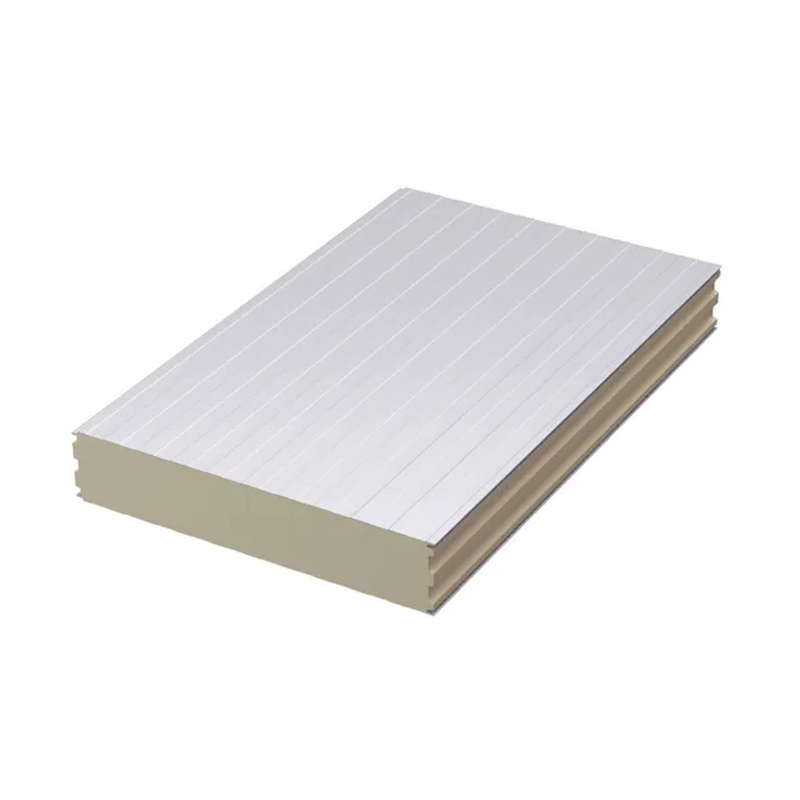
The core material dictates the performance of your entire facility. Polyurethane (PUR) serves as the industry standard for thermal performance and efficiency in standard cooling applications. It offers excellent insulation properties and bonds tightly to metal facings during manufacturing. PUR panels are highly versatile and fit most standard agricultural needs, from potato sheds to dairy coolers.
Polyisocyanurate (PIR) is a premium option offering superior fire resistance and structural rigidity. PIR cores withstand higher temperatures before degrading, making them ideal for facilities with strict fire codes. They also provide slightly higher R-values per inch than PUR. Expanded Polystyrene (EPS) acts as a budget-friendly alternative. However, EPS requires significantly thicker panels to achieve equivalent R-values. This extra thickness eats into your usable interior storage space and often requires more robust framing to support the bulkier panels.
Core Material Performance Comparison
Core Material | Thermal Efficiency (R-Value per inch) | Fire Resistance | Structural Rigidity |
|---|---|---|---|
Polyurethane (PUR) | High (~R-7 to R-8) | Moderate | High |
Polyisocyanurate (PIR) | Very High (~R-8) | Excellent | Very High |
Expanded Polystyrene (EPS) | Moderate (~R-4) | Low | Moderate |
Selecting the correct thickness prevents equipment strain. Mapping panel thickness to target temperature zones ensures optimal performance. You cannot use a standard 2-inch panel for a blast freezer and expect your compressors to survive the season. The insulation must match the mechanical load.
Standard Thickness Guidelines for Agricultural Applications:
2-inch to 3-inch panels: Ambient coolers, root vegetable storage, and staging docks (35°F to 50°F).
4-inch panels: Standard refrigerators, leafy green storage, and dairy coolers (32°F to 35°F).
5-inch to 6-inch panels: Commercial freezers and long-term meat storage (-10°F to 0°F).
8-inch panels: Blast freezers and extreme sub-zero applications (-20°F and below).
You must calculate long-term energy savings against upfront panel procurement. Skimping on panel thickness lowers initial material expenses but drastically increases monthly electricity bills. Thicker panels provide a higher R-value, which translates to less heat transfer. A well-insulated room allows refrigeration units to cycle off more frequently, extending the lifespan of your mechanical equipment and reducing maintenance overhead.
The connection points between panels are the most vulnerable parts of the thermal envelope. Evaluating cam-lock versus slip-joint mechanisms is necessary for structural integrity. Cam-locks use a mechanical hook-and-pin system to pull panels tightly together, creating a seamless seal. You engage them with a hex wrench during installation. Slip-joints rely on a friction fit and are often used in larger, continuous wall applications where speed of assembly is prioritized and panels are secured to external steel girts.
The continuous vapor barrier dictates the lifespan of the room. Factory-applied sealants in the panel joints prevent warm, moist air from penetrating the cold room. If the vapor barrier fails, moisture turns into ice inside the panel joints. This ice expands, pushes the panels apart, and destroys the insulation value. Installers must run a continuous bead of non-skinning butyl sealant along the warm side of the panel joint. Proper joint sealing maintains the thermal envelope and prevents catastrophic moisture damage.
Building on remote farm sites presents unique logistical challenges. Capitalizing on the ease of transportation makes a massive difference. Modular panels are significantly easier to ship to rural agricultural sites than heavy, traditional building materials like concrete block or bulk lumber. They arrive on flatbed trucks, pre-cut to exact lengths, ready for immediate assembly.
You benefit heavily from the single-step installation process. A single panel provides the exterior facade, the insulation core, and the interior finish all at once. This eliminates the need for separate framing, insulating, and drywalling crews. A four-man crew can dry-in a large cooler in days rather than weeks. Reducing facility downtime and construction delays during critical agricultural off-seasons ensures your new storage room is operational before the harvest begins.
Farms are dynamic operations that rarely stay the same size. The operational advantage of modular insulated panels lies in their adaptability. You can easily expand a modular cold room by unlocking a wall, adding more panels, and re-securing the structure. This allows your storage capacity to grow alongside your agricultural yields without requiring a completely new building.
Traditional buildings are permanent and inflexible. If distribution models change, modular farm cold room panels can be completely dismantled and relocated to a different part of the property. This flexibility prevents stranded assets. You can reconfigure room sizes, change door locations, or split a large room into two different temperature zones by simply installing an insulated partition wall.
Farm environments are notoriously harsh on building materials. Assessing resistance to agricultural chemicals, daily washdowns, and physical impacts is vital. Metal-faced insulated panels outperform wood or fiberglass alternatives in every category. They do not absorb water, meaning they will never rot, warp, or support mildew growth.
Rodent infiltration destroys traditional barns and storage sheds. Mice easily chew through drywall and nest in fiberglass batts. Solid steel facings and dense foam cores block pests entirely. Routine maintenance simply involves washing the walls down with standard cleaning agents. If a forklift damages a panel, you can cut out the damaged section and replace it without tearing down the entire wall. This lifecycle durability ensures your facility remains hygienic and structurally sound for decades.
Insulated panels are strong, but they have engineering limits. Assessing wind, seismic, and snow loads is mandatory when utilizing agricultural cold storage panels for exterior walls and roofs. A panel acting as an exterior roof must support heavy winter snowfalls without bowing. You must consult span charts provided by the manufacturer to determine how far a panel can stretch without additional steel framing. A 4-inch panel might span 12 feet on a wall, but only 8 feet on a ceiling.
Large-span storage facilities require careful ceiling design. Engineering support requirements and suspension systems for ceiling panels prevent sagging. In massive apple storage rooms, ceiling panels are often suspended from the exterior roof structure using specialized cables, all-thread rods, and aluminum T-bars. Ignoring these structural limitations leads to roof collapses, broken panel joints, and compromised thermal envelopes.
Poor installation ruins the best insulation. The risk of ice buildup, mold, or panel delamination skyrockets if joints are improperly sealed. Thermal bridging occurs when metal touches metal from the warm exterior to the cold interior. For example, driving a steel screw completely through a freezer panel creates a direct path for heat transfer. This causes condensation to form on the inside walls, dripping onto stored produce and creating slip hazards on the floor.
Mitigation requires strict attention to detail during construction. Specifying appropriate flashing and utilizing certified installation contractors prevents these failures. Installers must apply butyl tape and silicone caulking exactly as specified. They must use thermal breaks, such as nylon washers or specialized composite fasteners, to stop heat transfer. Conducting post-installation thermal imaging helps you spot hidden leaks and missing insulation before you load the room with valuable crops.
Agricultural facilities face increasing regulatory scrutiny. Navigating Food Safety Modernization Act (FSMA) requirements demands smooth, non-porous, and easily cleanable surfaces. Inspectors look for cracks, crevices, and porous materials where bacteria can hide. Insulated metal panels provide the exact surface profile required to pass stringent health inspections.
Selecting appropriate metal facings depends entirely on the stored commodity. Standard galvanized steel works for dry goods. Stainless steel is required for highly corrosive environments like meat processing or chemical storage. Specialized polyester or plastisol coatings offer extra protection against the specific organic acids released by certain fruits and vegetables during long-term storage.
Metal Facing Options for Agricultural Panels
Facing Material | Best Application | Corrosion Resistance |
|---|---|---|
Standard Polyester Coated Steel | General produce, dry storage, staging areas | Moderate |
Plastisol (PVC) Coated Steel | High-humidity environments, washdown areas | High |
Stainless Steel (304 or 316) | Meat processing, dairy, harsh chemicals | Maximum |
Agricultural cold storage panels act as active, critical components in yield preservation, energy management, and regulatory compliance. Upgrading from traditional stick-built structures to modular insulated panels protects your harvest from temperature spikes, moisture ingress, and pest damage. Base your panel selection on specific temperature deltas, local climate loads, and hygiene standards rather than defaulting to the lowest upfront material cost.
To optimize your agricultural storage infrastructure, take the following actions:
Conduct a thermal and structural audit of your current storage capabilities to identify energy leaks and moisture issues.
Consult with an agricultural facility engineer to determine the exact R-value and structural span requirements for your specific crop loads.
Request detailed technical specifications, including fire ratings and joint details, from panel manufacturers before finalizing your facility design.
Hire certified installation contractors who specialize in continuous vapor barriers and thermal break integration.
A: The ideal R-value depends on the target temperature. Ambient produce coolers typically require R-15 to R-20 (roughly 2 to 3 inches of PUR). Sub-zero freezers for meat or long-term storage demand R-30 to R-40 (roughly 4 to 6 inches of PUR) to maintain temperatures efficiently.
A: When properly installed with continuous vapor barriers and appropriate metal facings, farm cold room panels easily last 20 to 30 years. Their non-porous steel faces and closed-cell foam cores resist moisture, preventing the rot and mold that destroy traditional wood framing.
A: Yes. Many insulated metal panels are designed specifically for exterior use. They provide the exterior weather barrier, the structural span, and the internal insulation in a single unit. You must ensure the chosen panels meet local wind, snow, and seismic load requirements.
A: Polyurethane (PUR) is the standard core material offering excellent thermal efficiency. Polyisocyanurate (PIR) is a premium variation that provides superior fire resistance, structural rigidity, and slightly higher R-values per inch. PIR is often required in facilities with strict commercial fire codes.
A: Modular panels feature smooth, non-porous metal facings that are easily washed down and sanitized. They eliminate the cracks, crevices, and porous surfaces found in traditional wood or drywall construction, directly supporting FSMA and USDA hygiene requirements.
A: Yes. The solid steel exterior facings and dense foam cores create an impenetrable barrier against field mice, rats, and boring insects. Unlike fiberglass batts, the foam core does not provide a suitable nesting environment for agricultural pests.


