



Views: 0 Author: Site Editor Publish Time: 2026-07-26 Origin: Site


Traditional bathroom materials fail repeatedly in high-moisture environments. Grout lines degrade and crack over time. Mold proliferates in porous surfaces despite regular cleaning. Standard drywall swells, warps, and crumbles when exposed to constant humidity and occasional leaks. Homeowners and property managers face a persistent challenge. You need a wet-wall solution that balances aesthetic appeal with a truly impervious, low-maintenance surface. This minimizes long-term lifecycle headaches and constant repair work. Enter PVC Wall Panels. They serve as a heavily marketed alternative to traditional tile and acrylic surrounds. We will objectively evaluate their material properties, structural durability, and installation realities for shower and bath applications. We look at how they perform on actual job sites, stripping away the marketing claims to focus on structural reality and daily performance.
Absolute Moisture Resistance: PVC (Polyvinyl Chloride) is inherently non-porous and 100% waterproof at the material level, but system waterproofing depends entirely on joint and edge sealing.
Durability Trade-offs: While highly resistant to rot and chemical degradation, the impact resistance of PVC panels varies significantly between hollow-core (honeycomb) and solid-core profiles.
Joint Reduction Advantage: Utilizing large-format PVC wall cladding sheets drastically minimizes the number of vulnerable seams compared to traditional tiling or narrow interlocking planks.
Maintenance Efficiency: The elimination of grout lines removes the primary vector for mold growth and water ingress, drastically reducing routine maintenance requirements.
Installation Dependency: The most common failure point for PVC wall cladding is not the material itself, but improper adhesive selection, inadequate sealant application, and poor substrate preparation in high-humidity zones.
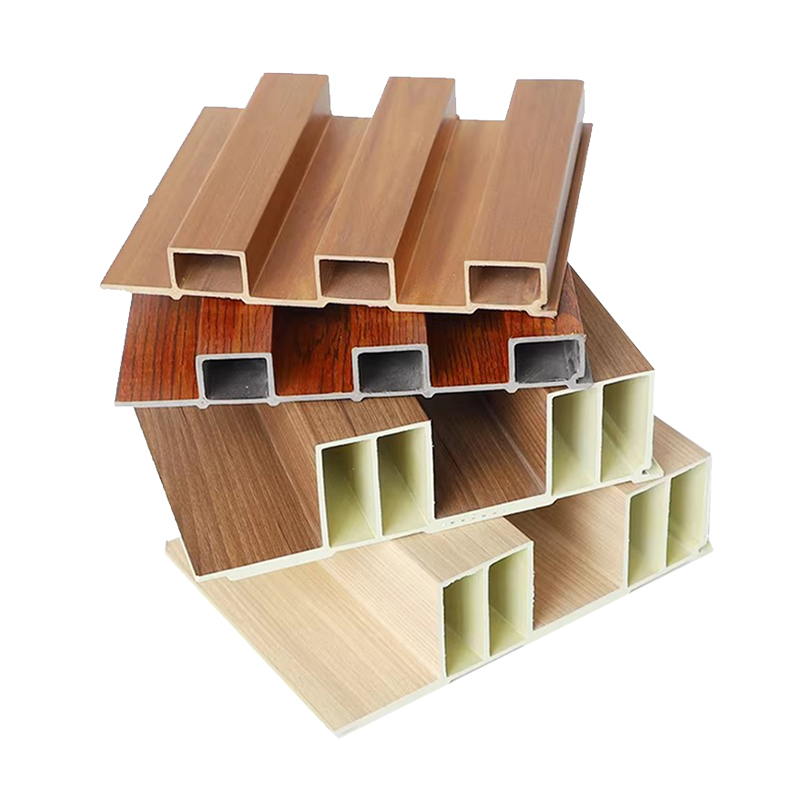
Extruded PVC consists of synthetic polymers that completely reject water. It does not absorb moisture at the chemical level. Other materials rely on topical waterproof membranes or glazed surfaces. If those coatings scratch or chip, water penetrates the core and causes swelling. PVC remains waterproof all the way through its thickness. You can cut it, drill it, or scratch it, and the exposed material still repels water. This inherent property makes it highly reliable for wet zones. We see many failures in bathrooms where surface-level waterproofing gets compromised during fixture installation. With solid polymer construction, that specific risk disappears entirely.
When you compare this to ceramic tiles, the tile itself might be waterproof, but the system relies on the glaze and the grout. Once the glaze wears or the grout cracks, water finds a path. Polymer panels eliminate this layered dependency. The material you touch is the same material protecting the wall cavity. This simplifies the barrier system and reduces the chances of hidden water damage behind the shower surround.
Manufacturers use different formulations for different products. High-quality bathroom panels use unplasticized, rigid PVC (uPVC). This rigid formulation maintains dimensional stability. It resists warping under physical stress and temperature changes. Flexible plasticized PVC is generally reserved for flooring, hoses, or shower curtains, not vertical wall applications. The lack of plasticizers in rigid panels means they will not become brittle over time as chemicals leach out.
Rigid panels provide the structural integrity needed to span slightly uneven walls. They hold their shape when you apply adhesive and press them into place. This rigidity also supports the interlocking tongue-and-groove mechanisms. If the material were too flexible, the joints would pop open under pressure. By using unplasticized formulations, manufacturers ensure the wall covering acts as a solid, unified barrier once installed.
Enclosed showers experience rapid temperature fluctuations and high humidity. PVC handles these shifts well, but it does react to heat. It has a specific thermal expansion coefficient. Panels expand and contract slightly with heat. Installers must leave appropriate expansion gaps at the edges, usually around 2mm to 3mm depending on the panel length. This prevents buckling when the shower runs hot for extended periods.
We often see DIY installations fail because the panels are jammed tight against the ceiling and floor. When the room heats up, the plastic expands, hits the hard boundaries, and bows outward. Proper installation accounts for this movement. Using flexible silicone sealants in the expansion gaps allows the panels to move naturally while maintaining a watertight seal. The material itself will not degrade from the humidity, but the installation system must accommodate its physical properties.
Fungal growth requires organic food sources and moisture. Paper-faced drywall and porous grout provide perfect breeding grounds. PVC contains no organic compounds. It cannot act as a food source for mold or mildew. This inherent resistance keeps the bathroom environment significantly cleaner and safer for occupants.
While mold cannot eat the plastic, it can grow on soap scum or body oils left on the surface. Regular cleaning removes this organic debris. The smooth surface of the panels makes this cleaning process incredibly fast. You wipe it down, and the mold has nowhere to hide. There are no microscopic pores or rough grout lines to harbor spores. This drastically cuts down on the harsh chemicals usually needed to keep a shower sanitary.
The market offers two main types of panel construction. Cellular or honeycomb structures offer distinct advantages for specific applications. They are lightweight, provide thermal insulation, and ensure ease of installation. You can cut them easily with a utility knife. However, they have lower impact resistance thresholds. Sharp impacts or dropped objects can puncture or dent hollow-core panels. If someone slips and hits the wall with an elbow, a hollow panel might crack.
Solid-core boards offer superior impact resistance. They handle heavy daily abuse much better. These panels feel more like traditional building materials. They are heavier, harder to cut, and require power tools for installation. Commercial bathrooms or high-traffic family showers benefit greatly from solid-core options. They resist denting and scratching far better than their hollow counterparts.
Feature | Honeycomb (Cellular) PVC | Solid-Core PVC |
|---|---|---|
Weight | Very lightweight, easy to handle | Heavy, requires sturdy handling |
Impact Resistance | Low to moderate; can dent or puncture | High; resists heavy impacts |
Cutting Method | Utility knife or fine-tooth hand saw | Power saw with specialized blade |
Best Application | Low-traffic residential, ceilings | High-traffic, commercial, family baths |
Large-format PVC wall cladding sheets measure up to one meter wide. Narrow tongue-and-groove planks typically measure 250mm. Large sheets drastically reduce the total linear footage of seams. Fewer seams mean fewer structural vulnerabilities. This directly reduces water penetration risks in wet zones. A standard shower enclosure might only need three large panels, resulting in just two vertical seams.
Narrow planks require many more joints. While the tongue-and-groove system is effective, every joint represents a potential failure point if the building settles or the adhesive fails. Large-format panels provide a cleaner, more modern aesthetic and superior waterproofing reliability. They do require two people to maneuver into place, but the reduction in seam density makes the extra effort worthwhile.
PVC tolerates standard bathroom cleaning agents exceptionally well. You can wipe away soap scum easily with mild detergents. However, abrasive chemicals and heavy scrubbers can damage the wear layer. Harsh scouring pads will scratch the printed finish, leaving a dull appearance that traps dirt. Stick to mild, non-abrasive liquid cleaners and soft microfiber cloths to preserve the surface.
Solvents like acetone or paint thinner will melt the plastic and ruin the finish instantly. You must read the labels on your cleaning products. Many heavy-duty bathroom cleaners contain harsh abrasives designed for porcelain. These will degrade polymer panels over time. A simple mixture of dish soap and warm water is usually all you need to maintain a pristine surface.
Over time, user feedback highlights excellent moisture resistance. Structural flexing can occur if installed over uneven substrates without proper adhesive coverage. Superficial scratching happens if cleaned improperly. The expected lifespan spans 10 to 15 years in standard residential and commercial bathrooms before aesthetic wear becomes noticeable. The waterproofing integrity usually lasts much longer if the silicone seals are maintained.
High natural light exposure can cause slight UV discoloration. Premium panels include UV stabilizers to prevent yellowing, but direct, intense sunlight will eventually fade printed patterns. If your bathroom has a large window receiving direct afternoon sun, consider panels with high UV resistance ratings or use window treatments to protect the walls.
Interlocking PVC offers a seamless nature. Tile requires extensive grout lines. Grout traps dirt, absorbs water if unsealed, and requires constant scrubbing. PVC eliminates this chore entirely. You can cover large surface areas incredibly fast with panels. Tiling remains a slow, labor-intensive process requiring specialized skills, wet saws, and multiple days for curing.
Tiles offer unmatched scratch resistance and a traditional, heavy feel. They will not dent if you hit them. However, the building must support the immense weight of a tiled wall. Polymer panels weigh a fraction of ceramic tile, reducing the structural load on the framing. This makes them ideal for retrofits in older homes where the walls might not support heavy masonry.
Building codes dictate strict requirements for wet zones like shower surrounds. Greenboard fails without a separate waterproofing membrane. Water eventually destroys the gypsum core, leading to catastrophic wall failure. PVC acts as both the finished surface and the waterproof barrier. It simplifies compliance and installation by combining two steps into one.
You cannot use greenboard as a finished surface in a shower. It must be covered. Using polymer panels over standard framing (with appropriate backing) provides a complete, code-compliant wet wall system much faster than applying liquid membranes, thinset, and tile over cement board.
Acrylic pans and walls come in rigid, pre-molded shapes. They limit aesthetic flexibility and often look cheap. Modern PVC cladding offers custom sizing. High-definition printing capabilities mimic natural stone, marble, or wood grain. You get the exact look you want without the limitations of molded fiberglass.
Fiberglass surrounds are notoriously difficult to repair if they crack. They also require precise framing dimensions because you cannot adjust the molded shape. Wall panels cut to fit any space. If your walls are slightly out of plumb, you can trim the panels to accommodate the variance. This flexibility makes them vastly superior for renovation work.
Medium-Density Fiberboard (MDF) carries a critical failure risk in wet zones. Organic wood fibers absorb moisture and swell rapidly, destroying the panel from the inside out. Wood Plastic Composite (WPC) performs better but remains heavier and can still absorb trace amounts of moisture. 100% polymer PVC completely outperforms MDF in high-humidity environments. It weighs less and absolutely will not swell.
Never use MDF core panels inside a shower enclosure. Even with a waterproof laminate face, water will eventually reach the core through the edges or joints. Once MDF gets wet, it expands and pushes the laminate off. Solid polymer panels eliminate this risk entirely, providing peace of mind for long-term installations.
Installation requires specific surface conditions. You can install panels directly over existing tile, which saves massive amounts of demolition time. The substrate must be flat, clean, and structurally sound. Compromised substrates trap moisture behind the panels. Always remove loose tiles and treat existing mold before applying new cladding.
Inspect the wall for plumb and flatness. Use a long level to find high spots or deep depressions.
Clean the existing surface thoroughly with a degreaser to ensure the adhesive will bond.
Scuff glossy tiles with coarse sandpaper to provide a mechanical key for the adhesive.
Remove any existing silicone caulk from the corners and base. Adhesive will not stick to old silicone.
Ensure the wall is completely dry before beginning the installation.
Standard construction adhesives fail in shower environments. Moisture breaks down the bond, and temperature shifts cause the adhesive to become brittle. You must use specific adhesive types. Solvent-free, high-grab, moisture-curing polymers work best. They maintain flexibility and adhesion despite constant humidity and temperature shifts.
Apply the adhesive in vertical beads, not horizontal lines or closed loops. Vertical beads allow any trapped air or incidental condensation behind the panel to escape downward. If you trap moisture behind the panel with a closed loop of adhesive, it can cause the panel to blister or push away from the wall over time.
The tongue and groove interlocking mechanisms provide the first line of defense. However, the system relies heavily on sanitary-grade silicone sealants. End caps, internal corner trims, and base seals prevent capillary action. Proper sealing stops water ingress behind the panels. This is the most critical installation step.
You must apply a continuous bead of silicone inside the groove of every joint before pushing the next panel into place. You must also fill the bottom trim channel with silicone before setting the panel down into it. Wipe away the excess immediately. This creates a fully encapsulated, watertight system. Skipping the silicone in the joints guarantees water will eventually find its way through.
Premium panels may rival mid-grade tile in material cost. The real advantage lies in labor reduction. You eliminate specialized masonry and tiling work. There are no curing times for thinset or grout. Fast installation drastically reduces the overall project timeline and associated labor expenses. A professional can panel a shower in one day, whereas tiling takes three to four days.
This speed translates directly to less disruption in the home. For contractors, it means turning over jobs faster and moving to the next site. The material might cost the same per square foot as decent porcelain, but the labor bill will be cut in half. This makes polymer cladding an incredibly attractive option for budget-conscious renovations that still demand a high-end look.
Eliminating grout resealing provides massive long-term value. You avoid costly mold remediation. Tile replacement becomes a thing of the past. Over a 10-to-15-year lifecycle, these maintenance savings add up significantly. The bathroom remains functional with minimal upkeep. You spend minutes cleaning instead of hours scrubbing with harsh chemicals.
Water damage from failed grout is one of the leading causes of expensive bathroom repairs. Rotted studs and ruined subfloors cost thousands to fix. By installing a seamless polymer system, you mitigate the risk of these catastrophic hidden failures. The wall remains sealed, protecting the structural framing of the house.
Property type dictates the return on investment. Rental units benefit hugely from rapid installation and zero grout maintenance. Tenants rarely maintain grout properly, making panels the safest choice for landlords. Commercial facilities appreciate the easy cleaning protocols and impact resistance of solid-core options. Luxury master baths might prioritize high-end solid-core panels to achieve a premium look while retaining moisture resistance.
House flippers also favor this material. It provides a clean, modern aesthetic quickly, allowing the property to hit the market faster. While some high-end buyers still demand natural stone, the vast majority of homeowners appreciate the clean look and low maintenance of modern polymer cladding.
PVC panels are definitively waterproof. They provide sufficient durability for bathroom environments. You must match the correct core type and panel size to your expected wear-and-tear. Choose PVC if your priority is zero grout maintenance, rapid installation, and lower labor costs. Stick to porcelain if you require maximum scratch resistance and a traditional masonry feel. The technology has advanced far beyond cheap plastic sheets, offering robust, beautiful solutions for modern wet zones.
Measure your wet-zone square footage accurately to minimize material waste and ensure you order enough panels from the same dye lot.
Order physical material samples to test rigidity, impact resistance, and finish quality firsthand before committing to a full purchase.
Inspect your existing bathroom walls with a long level to ensure a flat, stable substrate suitable for panel adhesion.
Consult with a certified installer regarding proper moisture-curing adhesive and sanitary silicone sealant selection for your specific wall type.
A: Yes, you can install them directly over existing tiles. The tiles must be securely attached, flat, and thoroughly cleaned with a degreaser. You need a high-grab, moisture-curing polymer adhesive. Consider the added depth around fixtures, shower valves, and window reveals when layering over tile.
A: The panels themselves contain no organic material and will not mold. However, surface soap scum or body oils can harbor mildew if left uncleaned. Poorly applied silicone joints can also attract mold. Regular cleaning with mild detergent prevents surface buildup.
A: Polyvinyl Chloride is lightweight and 100% waterproof. Stone Plastic Composite (SPC) adds stone dust for extreme rigidity and impact resistance but weighs significantly more. Medium-Density Fiberboard (MDF) contains wood fibers, making it highly susceptible to water damage and swelling in wet zones.
A: Clean the surface using warm water and a mild liquid detergent. Use a soft microfiber cloth or sponge. Never use abrasive scouring pads, steel wool, or bleach-heavy formulas. Harsh chemicals and abrasives will scratch the wear layer and degrade the printed finish.
A: Yes, they are highly suitable for ceilings. Their lightweight properties make overhead installation easy. They resist rising steam and moisture perfectly. Installers typically use mechanical fasteners, like staples or screws in the groove, alongside adhesive to secure ceiling panels safely.
A: Standard domestic hot water systems do not reach temperatures capable of melting the panels. High-quality unplasticized PVC handles normal shower temperatures easily. Proper installation with adequate expansion gaps at the edges prevents any heat-induced warping or buckling.


